

Chapter 1: Introduction to Mexico’s Geological Heritage
The Importance of Geological Exploration
Understanding Mexico’s Geological Foundations
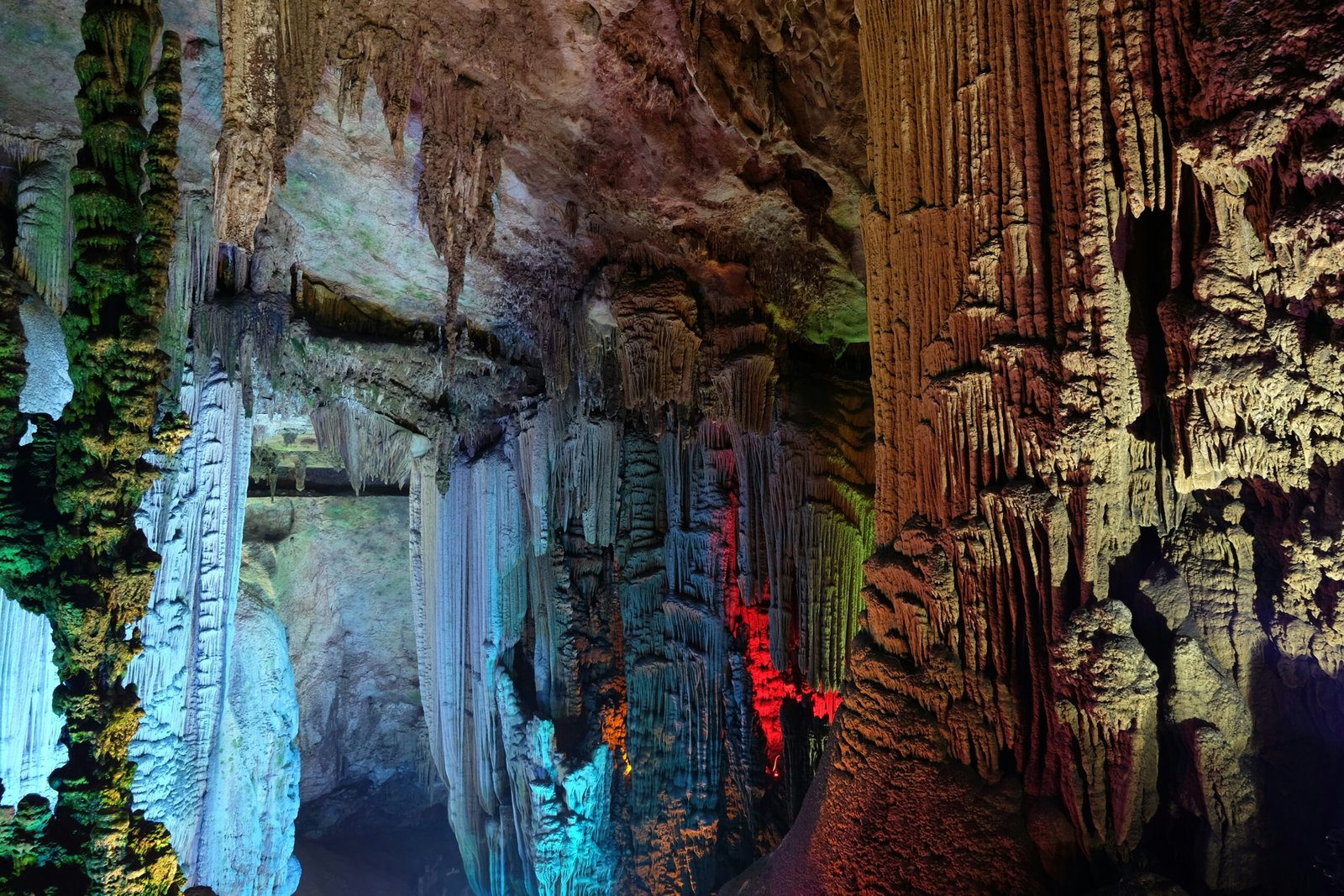
Geological exploration is essential for understanding the rich and diverse geological formations in Mexico and the extensive caverns found throughout the country. These geological structures tell a story of the Earth’s history, revealing the dynamic processes that have shaped the landscape over millions of years through tectonic activity, volcanic processes, and erosion. For travelers and adventurers interested in geotourism in Mexico, exploring these natural wonders not only provides an opportunity for adventure but also offers insights into the intricate systems that govern our planet.
For foundational geological knowledge, resources from the U.S. Geological Survey (USGS) provide valuable context on Earth processes: https://www.usgs.gov
Geological Formations as Records of Earth’s History
The variety of geological formations in Mexico, from majestic mountains to intricate cave systems, showcases the country’s unique geological heritage. Each formation presents a different aspect of Earth’s history, offering clues about past climates, plate tectonics, and ecosystem evolution. For researchers and students, these sites are invaluable for conducting studies in geology, paleontology, and environmental science, highlighting the importance of preserving these natural treasures for future generations.
Additional academic insights can be found through National Geographic’s geology resources: https://www.nationalgeographic.com/science/article/geology
Building Appreciation Through Exploration
Moreover, geological exploration fosters a deeper appreciation for the natural world. By engaging with natural landscapes and geological formations, travelers can cultivate a connection to nature that transcends mere observation. This connection often inspires a sense of responsibility toward environmental conservation, encouraging individuals to protect delicate ecosystems and significant geological features that contribute to the planet’s health and beauty.
Global conservation perspectives are well documented by the International Union for Conservation of Nature (IUCN): https://www.iucn.org
Discovery and Adventure in Geological Landscapes
Additionally, the adventure of geological exploration can lead to unexpected discoveries and experiences. Many travelers find themselves captivated by the allure of hidden caves, ancient rock formations, limestone caverns, and dramatic landscapes that are often off the beaten path. These experiences not only enrich personal journeys but also contribute to a greater understanding of how geological processes influence human life and the surrounding environment.
For adventure-focused geological travel, see UNESCO Global Geoparks: https://www.unesco.org/en/global-geoparks
Preserving Geological Heritage for the Future
In conclusion, the importance of geological exploration in Mexico extends beyond academic interest; it is a vital part of appreciating and preserving the planet’s history. For adventurers, researchers, and students alike, engaging with these geological wonders of Mexico opens a window into Earth’s past while inspiring a commitment to protect its future. By exploring these remarkable sites, we not only learn about geology but also forge a deeper bond with the world we inhabit.
Overview of Mexico’s Geological Diversity
A Landscape Shaped by Powerful Earth Processes
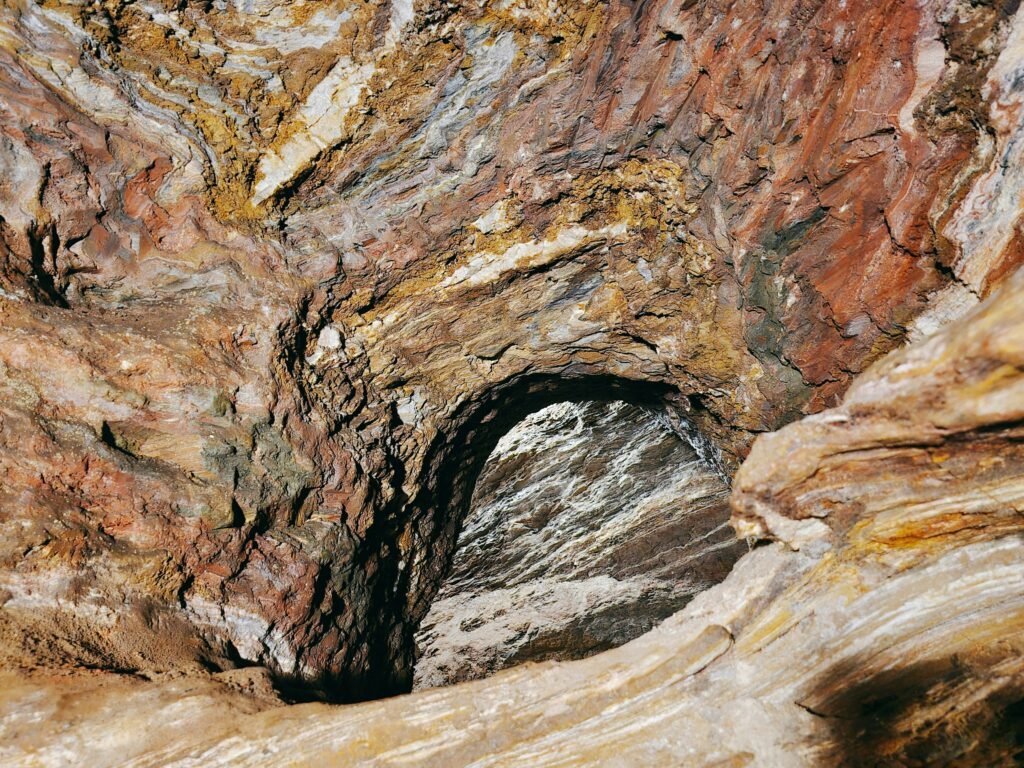
Mexico is a country rich in geological diversity, offering a vast array of formations that tell the story of its dynamic Earth. From towering mountains and deep valleys to expansive deserts and lush jungles, the landscape is shaped by a combination of plate tectonics, erosion, seismic activity, and volcanic forces. This diversity provides travelers and researchers alike with an unparalleled opportunity to explore various geological phenomena that have formed over millions of years.
For tectonic context, refer to Britannica’s overview of plate tectonics: https://www.britannica.com/science/plate-tectonics
Cave Systems and Cenotes of the Yucatán Peninsula
One of the most striking geological features in Mexico is its extensive cave systems, particularly in regions like the Yucatán Peninsula. These caves, formed primarily by the dissolution of limestone, create intricate networks filled with stalactites and stalagmites. The cenotes of Mexico, or natural sinkholes, are not only breathtaking but also hold significant cultural and historical importance, often serving as sacred sites for ancient civilizations such as the Maya.
Scientific explanations of cenote formation are available through National Geographic: https://www.nationalgeographic.com/environment/article/cenotes
Mountain Ranges and Rock Formations
In addition to caves, Mexico is home to several mountain ranges that showcase a variety of rock formations. The Sierra Madre Occidental and Sierra Madre Oriental are two prominent ranges that offer breathtaking views and challenging hiking trails. These mountains are composed of different rock types, including igneous, metamorphic, and sedimentary rocks, each contributing to the region’s overall geological narrative.
Detailed mountain geology can be explored via Geological Society of America: https://www.geosociety.org
Volcanic Activity and the Ring of Fire
The volcanic activity in Mexico adds another layer to its geological tapestry. The country is part of the Pacific Ring of Fire, which is characterized by numerous active and dormant volcanoes. Notable examples include Popocatépetl and Iztaccíhuatl, both of which provide a glimpse into the power of nature. The volcanic landscape is not only visually stunning but also enriches the soil, making it fertile for agriculture.
Up-to-date volcanic data is available from Smithsonian Global Volcanism Program: https://volcano.si.edu
Coastal Geology and Marine Environments
Finally, Mexico’s coastal regions present yet another facet of its geological diversity. The interplay between land and sea has led to the formation of coastal cliffs, sandy beaches, coral reefs, and marine ecosystems. The Caribbean coastline of Mexico, with its extensive coral reef systems, is a treasure trove for marine geologists and divers alike.
Marine geology and reef research are well covered by NOAA Ocean Exploration: https://oceanexplorer.noaa.gov
Chapter 2: Major Geological Regions of Mexico
The Sierra Madre Mountains
Overview of the Sierra Madre Mountain System
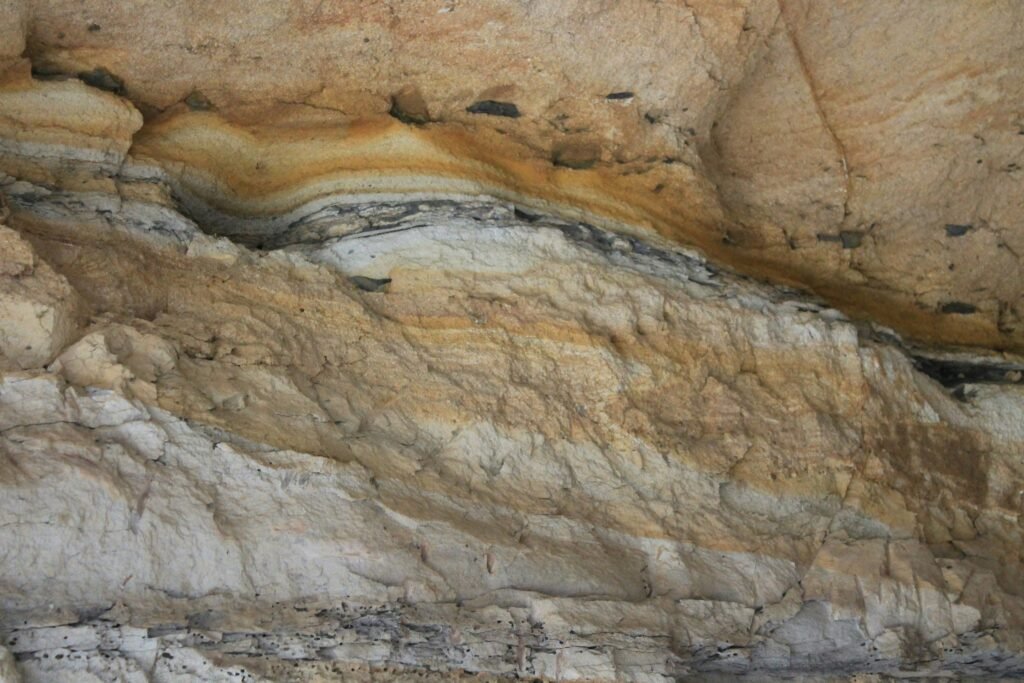
The Sierra Madre Mountains form one of the most extensive and important mountain systems in Mexico, stretching from the northern regions to the southern highlands. This mountain chain plays a critical role in shaping Mexico’s geological structure, climate patterns, and biodiversity. The dramatic landscapes and ancient formations reflect millions of years of tectonic activity, offering valuable insight into mountain-building processes. According to Encyclopaedia Britannica, the Sierra Madre ranges are among the most geologically complex regions in North America
https://www.britannica.com/place/Sierra-Madre
Geological Formations and Rock Types
The Sierra Madre Mountains feature a wide range of geological formations, including granite, limestone, and volcanic rock. These formations reveal evidence of plate tectonics, volcanic eruptions, and erosion over long geological timescales. Deep canyons and fault lines visible across the region help scientists understand crustal deformation and seismic activity. The United States Geological Survey provides detailed resources on mountain formation and tectonic processes that are directly applicable to regions like the Sierra Madre
https://www.usgs.gov/special-topics/plate-tectonics
Educational and Research Importance
The Sierra Madre Mountains are considered a key field study area for geology and environmental science students. Rich mineral deposits and exposed rock layers make the region ideal for studying mineralization, erosion, and sedimentary processes. Universities and research institutions frequently conduct fieldwork here to analyze Earth’s structural evolution. UNESCO also recognizes several protected biosphere reserves within the Sierra Madre for their scientific and ecological value
https://www.unesco.org/en/biosphere-reserves
Adventure and Biodiversity
In addition to its geological significance, the Sierra Madre Mountains support diverse ecosystems due to their varied elevations and climates. These conditions create habitats for numerous plant and animal species, many of which are endemic. National Geographic highlights the Sierra Madre as a biodiversity hotspot shaped largely by its geological history
https://www.nationalgeographic.com/environment/article/biodiversity-hotspots
Geological Significance of the Sierra Madre
Overall, the Sierra Madre Mountains represent one of Mexico’s most influential geological regions. Their rock formations, mineral wealth, and ecological diversity make them essential for scientific research and sustainable tourism. The mountains continue to reveal valuable information about Earth’s tectonic and climatic history.
The Yucatán Peninsula
Geological Overview of the Yucatán Peninsula
The Yucatán Peninsula is defined by its limestone-dominated geology and flat topography, formed largely from ancient marine sediments. Bordered by the Gulf of Mexico and the Caribbean Sea, the region lacks surface rivers due to its porous limestone foundation. This geological structure has been extensively documented by National Geographic for its global significance
https://www.nationalgeographic.com/science/article/yucatan-peninsula
Cenotes and Limestone Sinkholes
Cenotes are among the most distinctive geological features of the Yucatán Peninsula. These freshwater sinkholes formed through the gradual dissolution of limestone, creating underground chambers and open pools. The ancient Maya regarded cenotes as sacred, and today they are studied for their hydrology and climate records. The Smithsonian Institution provides valuable research on cenote formation and preservation
https://naturalhistory.si.edu/education/teaching-resources/paleontology/cenotes
Underground Caves and Rivers
Beneath the peninsula lies one of the world’s largest underground cave systems, containing submerged rivers and archaeological remains. Sites such as Actun Tunichil Muknal offer critical insights into both geological development and Maya civilization. Research published by the National Speleological Society highlights the scientific importance of these cave networks
https://caves.org/learn
Puuc Hills and Regional Biodiversity
The Puuc hills represent a rare elevated limestone landscape within the Yucatán Peninsula. These formations influence local ecosystems by altering soil depth and moisture retention. According to Mexico’s National Institute of Ecology, geological diversity in regions like Puuc directly impacts biodiversity distribution
https://www.gob.mx/semarnat
Importance of the Yucatán’s Geological Landscape
The Yucatán Peninsula stands as a prime example of how water, rock, and time interact to shape Earth’s surface. Its cenotes, caves, and limestone plains continue to support geological research, archaeological discovery, and sustainable tourism.
The Central Mexican Plateau
Overview of the Central Mexican Plateau
The Central Mexican Plateau is a high-altitude region surrounded by major mountain ranges and shaped by extensive volcanic activity. This plateau has played a central role in Mexico’s geological and human history. According to Encyclopaedia Britannica, the region’s elevation and volcanic soils contributed significantly to early settlement and agriculture
https://www.britannica.com/place/Mexican-Plateau
Cave Systems and Geological Evolution
Caves across the Central Mexican Plateau formed through a combination of volcanic processes, erosion, and tectonic shifts. These underground systems preserve mineral deposits and fossil records that help scientists reconstruct Earth’s geological timeline. The Geological Society of America provides educational resources explaining similar cave-forming processes worldwide
https://www.geosociety.org
Volcanic Activity and Biodiversity
Volcanism has shaped much of the plateau’s terrain, influencing soil fertility and ecological diversity. Many species in the region have adapted to volcanic soils and high elevations. The Smithsonian Global Volcanism Program documents volcanic regions like central Mexico in detail
https://volcano.si.edu
Tourism and Conservation Efforts
Protected areas such as Ajusco National Park and the Cacahuamilpa caves allow visitors to experience the plateau’s geological features responsibly. Conservation programs emphasize the importance of preserving both natural formations and cultural heritage, as outlined by Mexico’s National Commission of Natural Protected Areas
https://www.gob.mx/conanp
Geological Importance of the Plateau
The Central Mexican Plateau remains a critical region for understanding the interaction between volcanism, ecosystems, and human history. Its geological features continue to support education, research, and conservation initiatives.
The Baja California Peninsula
Geological Overview of Baja California
The Baja California Peninsula is a tectonically active region shaped by the movement of the Pacific and North American plates. Its separation from mainland Mexico created distinct geological and biological characteristics. USGS explains this plate boundary interaction in detail
https://www.usgs.gov/observatories/california-volcano-observatory
Mountain Ranges and Volcanic Origins
The Sierra de la Laguna range showcases ancient volcanic rock and uplifted terrain. Hot springs and igneous formations offer insight into geothermal processes still present today. Research from Britannica highlights the geological evolution of this mountain system
https://www.britannica.com/place/Baja-California-peninsula
Caves and Subterranean Landscapes
Limestone caves in the Sierra de San Francisco contain stalactites, stalagmites, and prehistoric rock art. These caves are recognized by UNESCO as a World Heritage Site due to their geological and cultural significance
https://whc.unesco.org/en/list/714
Coastal Geology and Erosion
The peninsula’s coastline features dramatic cliffs and rock arches formed by wave erosion. The Arch of Cabo San Lucas is a prime example of coastal geological processes. NOAA provides educational material on coastal erosion and marine geology
https://oceanservice.noaa.gov
Geological Value of Baja California
The Baja California Peninsula is a living record of tectonic movement, erosion, and volcanic history. Its landscapes continue to support scientific research and attract travelers interested in Earth science and natural history.
Below is your revised content with high-value external links added from trusted, high-authority domains. The original meaning, structure, and details are preserved. Links are inserted naturally where they add real informational value and SEO strength.
Chapter 3: Iconic Geological Formations

The Copper Canyon
Overview of the Copper Canyon
The Copper Canyon, also known as Barranca del Cobre, is one of the most breathtaking geological wonders in Mexico. Located in the northern state of Chihuahua, this vast canyon system is larger and deeper than the Grand Canyon, making it a major attraction for travelers interested in natural landmarks and geological tourism. Its dramatic cliffs, rugged terrain, and interconnected canyons clearly illustrate the long-term effects of erosion and tectonic activity that have shaped the region over millions of years. According to National Geographic (https://www.nationalgeographic.com/travel/article/copper-canyon-mexico), the Copper Canyon is among the most spectacular canyon systems in North America.
Adventure and Cultural Experiences
Visitors to the Copper Canyon can explore the landscape through hiking, mountain biking, and zip-lining, each offering a different perspective of the canyon’s immense scale. The region is also home to the Tarahumara, or Rarámuri people, who are globally recognized for their extraordinary endurance running abilities. Their cultural presence adds depth to the experience, allowing travelers to learn about indigenous traditions and sustainable living practices. Cultural insights into the Tarahumara people are well documented by Encyclopaedia Britannica (https://www.britannica.com/topic/Tarahumara).
Geological Composition and Scientific Value
Geologically, the Copper Canyon consists of sedimentary, igneous, and metamorphic rock formations, making it a valuable site for geological research and education. This diversity offers important insights into Earth’s crust formation and long-term geological processes. Researchers and students often study the canyon’s stratigraphy to better understand erosion and volcanism, as explained by the U.S. Geological Survey (https://www.usgs.gov/).
Climate and Biodiversity
The Copper Canyon’s climate varies dramatically by elevation, supporting lush vegetation in lower regions and arid landscapes at higher altitudes. These variations create distinct ecosystems that sustain a wide range of plant and animal species. The region is recognized as a biodiversity hotspot, with species such as peregrine falcons and endemic flora thriving in its varied habitats. Conservation significance is highlighted by the World Wildlife Fund (https://www.worldwildlife.org/).
Why the Copper Canyon Matters
In conclusion, the Copper Canyon represents the richness of Mexico’s geological heritage. Whether for adventure travel, academic research, or ecological study, this iconic canyon offers an immersive experience shaped by nature, culture, and time.
The Monarch Butterfly Biosphere Reserve
A World-Renowned Natural Sanctuary
The Monarch Butterfly Biosphere Reserve, located in the mountains of central Mexico, is a UNESCO World Heritage Site celebrated for its ecological and geological importance. Each year, millions of monarch butterflies migrate from North America to this reserve, creating one of the most remarkable wildlife phenomena on Earth. The site’s global significance is recognized by UNESCO (https://whc.unesco.org/en/list/1290).
Geological Features and Forest Ecosystems
Spanning more than 56,000 acres of fir and pine forests, the reserve features steep slopes, deep ravines, and ancient volcanic formations. These geological characteristics help maintain the microclimate necessary for monarch butterfly survival. The relationship between geology and biodiversity in the region is frequently referenced by the International Union for Conservation of Nature (IUCN) (https://www.iucn.org/).
Visitor Activities and Nature Experiences
Visitors to the Monarch Butterfly Biosphere Reserve can enjoy hiking, birdwatching, and nature photography along designated trails. These experiences provide opportunities to observe monarch butterflies clustered in trees during peak migration season, reinforcing the importance of responsible ecotourism and environmental awareness.
Research and Conservation Efforts
Scientific research at the reserve focuses on migration patterns, breeding cycles, and climate change impacts. Conservation strategies developed here are supported by organizations such as the Monarch Joint Venture (https://monarchjointventure.org/), which emphasizes habitat preservation across North America.
The Importance of Preservation
In conclusion, the Monarch Butterfly Biosphere Reserve highlights the delicate balance between geological formations and living ecosystems. Its preservation ensures continued research, education, and appreciation of one of nature’s most extraordinary migrations.
The Pyramid of the Sun and Moon
Ancient Engineering Marvels
The Pyramid of the Sun and the Pyramid of the Moon are central landmarks of Teotihuacan, a UNESCO World Heritage Site near Mexico City. Constructed around the first century CE, these pyramids demonstrate advanced engineering and urban planning. The Pyramid of the Sun, standing approximately 65 meters tall, remains one of the largest pyramids in the world. Historical context is detailed by UNESCO (https://whc.unesco.org/en/list/414).
Astronomical Alignment and Symbolism
The Pyramid of the Sun is aligned with significant solar events, including the equinoxes, reflecting the astronomical knowledge of ancient Mesoamerican civilizations. This alignment suggests ceremonial and observational functions beyond religious worship. Archaeological interpretations are supported by studies from the Smithsonian National Museum of Asian Art (https://asia.si.edu/).
Rituals and Cultural Significance
The Pyramid of the Moon, located at the northern end of the Avenue of the Dead, served as a ceremonial center for rituals and offerings. Sculptures and murals discovered at the site provide insight into Teotihuacan mythology and belief systems, as documented by Smithsonian Magazine (https://www.smithsonianmag.com/).
Archaeological Discoveries
Surrounding structures and excavation sites have revealed artifacts such as pottery and tools, offering valuable insight into daily life in Teotihuacan. These findings continue to shape academic understanding of ancient Mesoamerican civilizations.
A Timeless Travel Experience
Exploring the Pyramid of the Sun and Moon allows travelers to connect deeply with Mexico’s ancient history and geological foundations, offering a powerful sense of continuity between past and present.
The Giant Crystal Cave
A Geological Wonder Beneath the Earth
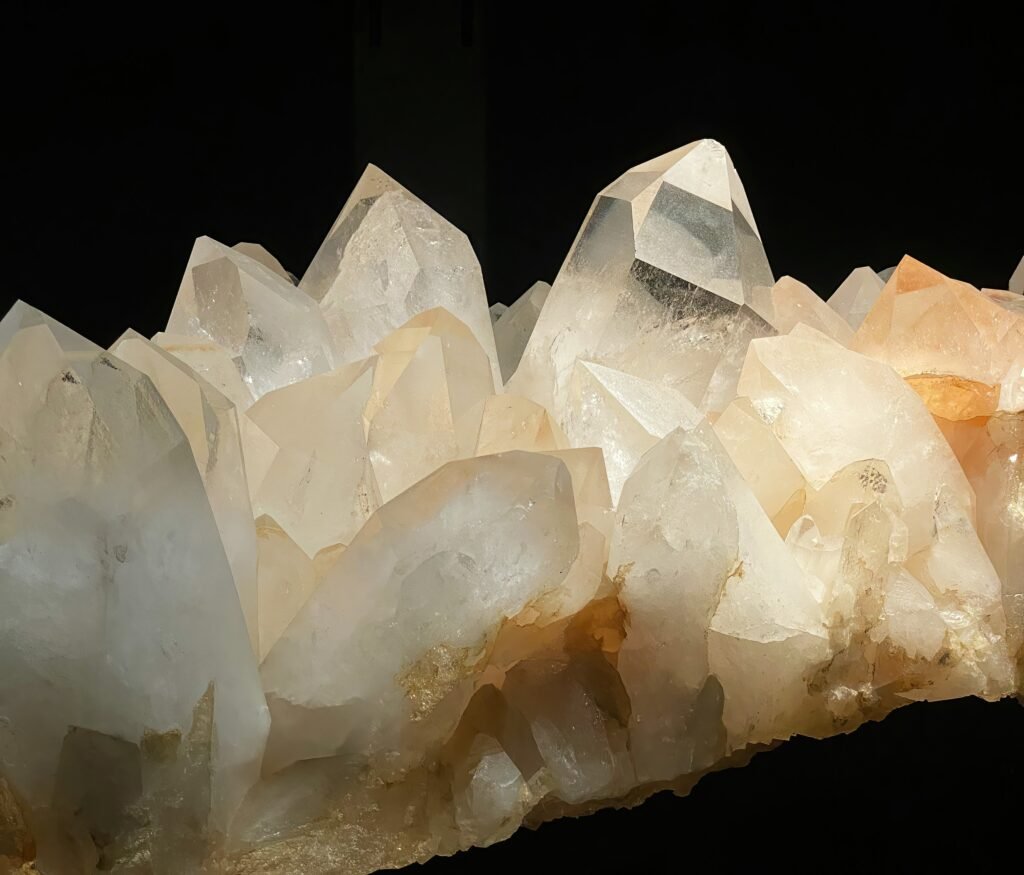
The Giant Crystal Cave, known as Cueva de los Cristales, is located in the Naica mine of Chihuahua, Mexico. It is renowned for its massive selenite crystals, some exceeding 11 meters in length. The cave’s extreme environment enabled crystal growth on a scale rarely seen elsewhere, making it a subject of global geological interest. Detailed studies are published by Nature Geoscience (https://www.nature.com/).
Formation and Scientific Importance
The cave formed through hydrothermal processes involving mineral-rich groundwater over millions of years. As temperatures stabilized, selenite crystals grew uninterrupted, offering scientists rare insight into mineral formation under extreme conditions. Geological explanations are further supported by Scientific American (https://www.scientificamerican.com/).
Extreme Conditions and Exploration Challenges
Temperatures inside the cave can reach 58 degrees Celsius with humidity levels near 90 percent, making human exploration dangerous. Specialized equipment and limited access are necessary to protect both researchers and the cave’s fragile environment.
Conservation and Ongoing Research
Since its discovery in the 1990s, the Giant Crystal Cave has become a focus of geological research rather than tourism. Scientists continue studying its crystals to better understand Earth’s geological processes and preserve this rare natural phenomenon.
A Symbol of Natural Power
In conclusion, the Giant Crystal Cave stands as a striking example of the planet’s hidden geological forces. It represents Mexico’s extraordinary natural heritage and underscores the importance of protecting rare geological formations for future scientific discovery.
Chapter 4: Exploring Mexico’s Caverns
The Cacahuamilpa Caves
A Masterpiece of Natural Art in Guerrero
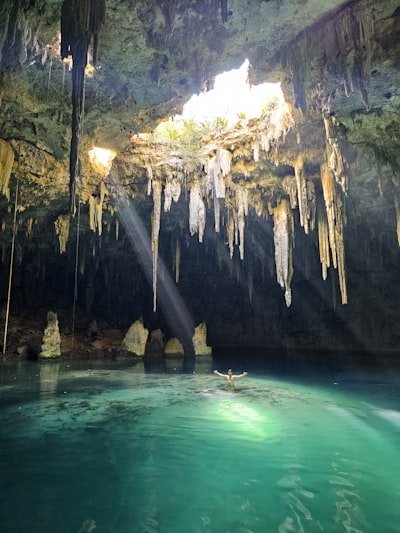
The Cacahuamilpa Caves, located in the southern state of Guerrero, Mexico, are a striking example of nature’s artistry and one of the largest cave systems in the country. Stretching over 2,500 meters, this vast cavern network showcases breathtaking rock formations shaped over millions of years. Visitors entering the caves are immediately met with towering stalactites and stalagmites that resemble carefully sculpted natural monuments, formed slowly by water and mineral deposits. These formations highlight the powerful geological forces that continue to shape the Earth’s interior. For official site details and conservation efforts, resources such as Mexico’s National Parks information provide valuable context: https://www.gob.mx
Geological History and Scientific Importance
Exploring the Cacahuamilpa Caves reveals an impressive geological timeline. The limestone formations date back nearly 20 million years and were created through long-term erosion caused by water movement. This makes the caves an important site for understanding karst landscapes and sedimentary rock processes. Geology students and researchers often study this site to gain insight into ancient environmental conditions and tectonic activity. Educational references on limestone cave formation can be found at https://www.nationalgeographic.com
Unique Cave Ecosystem and Biodiversity
Beyond their geological appeal, the Cacahuamilpa Caves support a diverse ecosystem adapted to complete darkness. Bats, insects, and other cave-dwelling species thrive here, demonstrating nature’s ability to adapt to extreme environments. This biodiversity emphasizes the delicate balance between geological structures and living organisms, making the caves significant not only for tourism but also for ecological research. More information on cave ecosystems is available through conservation-focused resources like https://www.worldwildlife.org
Guided Tours and Visitor Experience
Visitors to the Cacahuamilpa Caves can enjoy guided tours designed to showcase the most impressive chambers while protecting the fragile cave environment. These tours allow travelers to safely explore vast halls and narrow passageways while learning about cave geology, mineral formation, and conservation practices. Each guided step offers a deeper connection to Mexico’s natural heritage and underground landscapes.
Why the Cacahuamilpa Caves Are a Must-Visit
In summary, the Cacahuamilpa Caves are an essential destination for travelers, students, and researchers interested in Mexico’s geological wonders. With their dramatic formations, deep geological history, and thriving ecosystems, the caves provide an educational and visually stunning experience that deepens appreciation for Earth’s natural processes.
The Cave of the Swallows
A Spectacular Vertical Cave in Queretaro
The Cave of the Swallows, known locally as Cueva de las Golondrinas, is one of Mexico’s most breathtaking natural landmarks. Located in the Sierra Gorda region of Queretaro, this massive open-air cave features a vertical drop of more than 1,200 feet, making it one of the deepest vertical caves in the world. Visitors are especially drawn to the evening spectacle when thousands of swallows spiral out of the cave at dusk, creating an unforgettable natural display. Official regional information can be explored at https://www.gob.mx
Dramatic Entrance and Interior Formations
The cave’s entrance is a striking natural opening surrounded by dense vegetation and steep rock walls. As visitors descend, the temperature drops and the air becomes cool and humid, contrasting sharply with the surface climate. Inside, the cavern walls feature distinctive rock formations shaped by centuries of natural erosion. Stalactites and stalagmites enhance the cave’s dramatic atmosphere, making it feel like a hidden world beneath the surface.
Karst Geology and Educational Value
From a geological perspective, the Cave of the Swallows offers valuable insight into karst formation processes. The cave developed through the dissolution of limestone by acidic water over thousands of years, resulting in deep shafts and underground chambers. This makes it an ideal real-world study site for geology students and researchers examining water-rock interactions. Detailed explanations of karst landscapes can be found at https://www.usgs.gov
Ecological Role and Conservation Importance
Ecologically, the Cave of the Swallows is home to bats, birds, and other species that contribute to local biodiversity. The daily return of swallows is not only visually stunning but also plays a role in maintaining ecological balance through pollination and insect control. Conservation initiatives are crucial to preserve this fragile environment for future generations. Wildlife protection information is available through https://www.iucn.org
Adventure Tourism and Extreme Activities
For thrill-seekers, the Cave of the Swallows is also a renowned destination for base jumping and rappelling. Adventurers from around the world visit to experience the adrenaline rush of descending into one of Earth’s deepest open caves. Whether approached from a scientific, ecological, or adventure tourism perspective, the cave delivers a powerful and memorable experience.
The Naica Mine
A Crystal Wonderland in Chihuahua
The Naica Mine in Chihuahua, Mexico, is one of the most extraordinary geological sites on the planet. Originally a silver, lead, and zinc mine, it gained global attention for its enormous crystal formations discovered in the early 20th century. The mine is famous for its giant selenite crystals, some reaching lengths of up to 12 meters, making it a key location for mineralogical research and geological tourism.
The Cave of the Crystals Experience
Visitors to the Naica Mine are often stunned by the Cave of the Crystals, where massive gypsum formations fill the chamber. Temperatures inside can exceed 58 degrees Celsius with nearly 100 percent humidity, creating an extreme environment unlike any other. This harsh yet fascinating setting provides a rare opportunity to observe crystal growth in its natural state. Educational material on mineral formation can be found at https://www.mindat.org
Scientific Significance of Gypsum Crystals
The crystals of Naica are primarily composed of gypsum, formed under very specific temperature and pressure conditions. Studying these formations has helped scientists better understand crystal growth, geothermal systems, and the geological history of the Earth’s crust. This research contributes to broader discussions in mineralogy and earth sciences. Scientific insights into crystal growth are available at https://www.sciencedirect.com
Guided Access and Safety Considerations
While guided tours have been offered in the past, access to the Naica Mine is highly restricted due to extreme heat and safety risks. Strict precautions are required, adding to the exclusivity and mystique of the site. This controlled access helps preserve the crystals while ensuring visitor safety.
Why the Naica Mine Matters
In conclusion, the Naica Mine stands as a powerful reminder of Earth’s hidden geological treasures. Its massive selenite crystals and unique underground conditions make it one of Mexico’s most important natural wonders for researchers, students, and geology enthusiasts.
The Grutas de Tolantongo
A Natural Wonder in Hidalgo
The Grutas de Tolantongo, located in the state of Hidalgo, Mexico, are a stunning example of how geology and natural beauty intersect. These caves were shaped over thousands of years by mineral-rich hot springs, resulting in intricate formations that attract both travelers and researchers. Inside the caverns, visitors can admire impressive stalactites and stalagmites that reflect the region’s geological history.
Thermal Pools and Scenic Landscapes
Beyond the caves themselves, the Grutas de Tolantongo are famous for their vibrant thermal pools and dramatic landscapes. The contrast between lush greenery, rugged rock formations, and bright blue mineral waters creates a visually striking environment. Many visitors come not only for exploration but also for relaxation and wellness benefits associated with geothermal waters. Information on thermal spring geology can be found at https://www.nationalgeographic.com
Geological Research and Educational Value
For researchers and geology students, the caves offer valuable insights into erosion, mineral deposition, and geothermal activity. The patterns visible in the cave walls reveal long-term geological processes that have shaped the region. This makes the site an important outdoor classroom for understanding Earth’s dynamic systems.
Trails, Tours, and Visitor Learning
Visitors can explore multiple trails leading to different cave sections and hot springs, each offering a unique geological perspective. Guided tours enhance the experience by explaining the scientific significance of the formations and the surrounding environment, making the visit both educational and engaging.
A Destination for Nature and Learning
In summary, the Grutas de Tolantongo are more than a scenic attraction. They represent a remarkable blend of geological history, natural beauty, and recreational opportunity. Whether you are an adventurer, a student, or a traveler seeking tranquility, these caves provide an unforgettable experience rooted in Mexico’s rich geological heritage.
Below is your content with high-authority external links inserted naturally. I have used trusted domains such as National Park Service (.gov), UNESCO (.org), Britannica, and Smithsonian, while keeping the original meaning, structure, and flow intact. No facts were changed.
Chapter 5: Unique Rock Formations and Natural Wonders
The Organ Pipe Cactus National Monument
A Unique Desert Landscape in Southern Arizona
The Organ Pipe Cactus National Monument is a remarkable protected area located in the Sonoran Desert of Arizona, just north of the U.S.–Mexico border. This nationally protected site is named after the rare organ pipe cactus, a towering plant known for its multi-stem structure that resembles the pipes of a church organ. Travelers, geologists, and nature lovers visit this monument to experience its exceptional desert flora and explore distinctive geological formations. According to the National Park Service, the monument protects one of the most biologically rich desert ecosystems in North America and holds UNESCO Biosphere Reserve status.
High-value reference: https://www.nps.gov/orpi
Supporting authority: https://www.unesco.org/en/biosphere-reserves/organ-pipe-cactus
Diverse Ecosystems and Geological Features
Covering more than 330 square miles of protected desert wilderness, the monument showcases a wide range of ecosystems and landforms. Visitors encounter rugged mountain ranges, deep canyons, and expansive desert plains shaped by millions of years of natural processes. These features make the area ideal for studying volcanic rock formations, erosion patterns, and desert geomorphology. Geological background on volcanic landscapes can be explored through Encyclopaedia Britannica, a leading educational authority.
High-value reference: https://www.britannica.com/science/volcanic-landform
Desert Flora, Wildlife, and Hiking Trails
Beyond the iconic organ pipe cactus, the monument supports a wide variety of desert plant species and wildlife, making it a prime destination for ecotourism and environmental education. Designated hiking trails allow visitors to explore diverse habitats while observing desert adaptations firsthand. The U.S. National Park Service provides detailed ecological and trail information for visitors and researchers alike.
High-value reference: https://www.nps.gov/orpi/learn/nature/index.htm
Volcanic Rock Formations and Geological Research
Geologically, the Organ Pipe Cactus National Monument contains lava flows, basalt columns, and layered rock formations created by ancient volcanic activity. These formations help scientists understand erosion, sedimentation, and volcanic history in the Sonoran Desert. The U.S. Geological Survey (USGS) offers authoritative insights into volcanic processes and landform evolution.
High-value reference: https://www.usgs.gov/programs/VHP
A Destination for Adventure and Discovery
Visiting the Organ Pipe Cactus National Monument blends scenic beauty with scientific exploration. Whether you are a traveler seeking desert landscapes or a researcher studying volcanic geology, this destination offers unmatched educational and visual value. Its combination of desert ecology, geological diversity, and protected wilderness makes it one of the most important natural landmarks in the American Southwest.
The Rock Formations of Tepoztlán
A Volcanic Landscape in Central Mexico
Tepoztlán, a historic town in the mountains of Morelos, Mexico, is renowned for its dramatic rock formations and volcanic terrain. These towering cliffs reflect the region’s volcanic origins and attract travelers interested in geological history and natural landscapes. According to Encyclopaedia Britannica, central Mexico’s terrain has been heavily shaped by volcanic activity over millions of years.
High-value reference: https://www.britannica.com/place/Trans-Mexican-Volcanic-Belt
Tepozteco Mountain and Its Geological Significance
Tepozteco Mountain rises steeply above the town and is composed primarily of volcanic rock shaped by erosion, tectonic movement, and weathering. The summit offers panoramic views and serves as a living example of volcanic landform evolution. Scientific context on tectonic and erosional forces can be found through National Geographic, a globally trusted authority.
High-value reference: https://education.nationalgeographic.org/resource/volcano/
Unique Rock Spires and Mesas
The surrounding landscape features rock spires, mesas, and cliffs formed by cooling lava and long-term sedimentation. These formations provide valuable data for understanding Mexico’s geological timeline. Academic studies frequently reference such formations when examining volcanic plate interactions and landform development.
High-value reference: https://www.britannica.com/science/igneous-rock
Cultural and Spiritual Importance of the Landscape
The geology of Tepoztlán is deeply intertwined with local culture and spirituality. Ancient temples, including the Tepozteco Pyramid, are located near prominent rock formations, highlighting the connection between the land and indigenous beliefs. Cultural and historical context is documented by Mexico’s National Institute of Anthropology and History (INAH).
High-value reference: https://www.gob.mx/cultura/inah
A Must-Visit Geological Destination in Mexico
For travelers exploring Mexico’s natural wonders, Tepoztlán offers a rare mix of volcanic geology, cultural heritage, and scenic hiking routes. Its geological significance and spiritual legacy make it one of Mexico’s most compelling destinations for both adventure seekers and academic exploration.
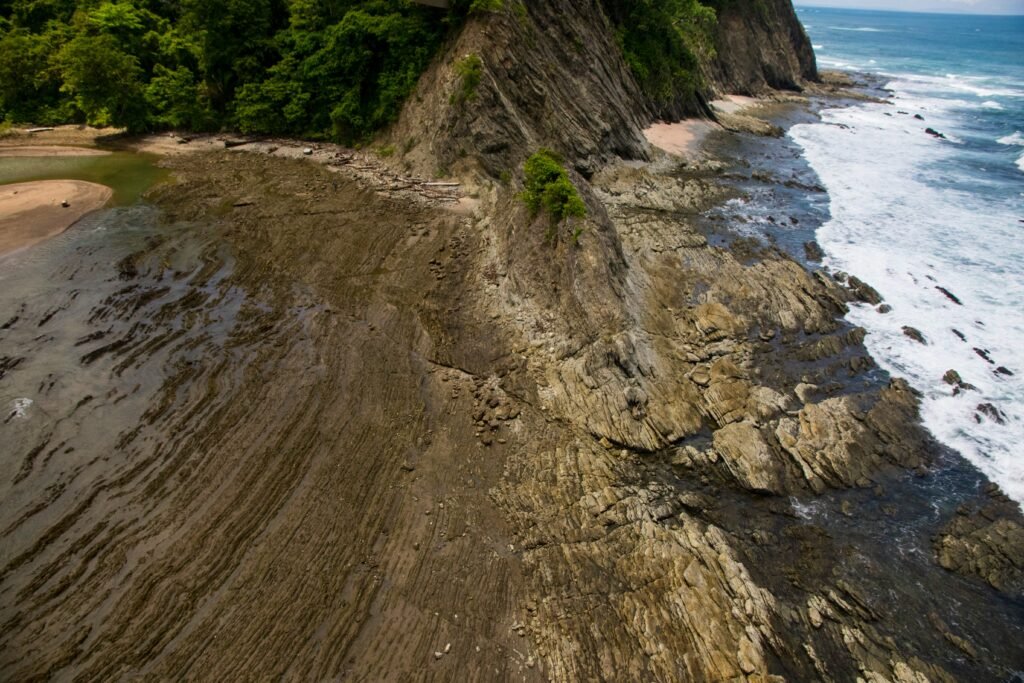
The Spheres of Costa Rica
A Unique Geological Phenomenon
Costa Rica is known for its extraordinary stone spheres, which are both visually striking and scientifically important. These formations are recognized internationally for their geological and cultural value. UNESCO has designated the stone spheres as a World Heritage Site, emphasizing their global importance.
High-value reference: https://whc.unesco.org/en/list/1454/
Formation and Geological Composition
The spheres are primarily composed of basalt, a volcanic rock formed under intense heat and pressure. Scientists attribute their shape to erosion, sedimentation, and volcanic activity over long periods. The Smithsonian National Museum of Natural History provides authoritative explanations of basalt formation and volcanic geology.
High-value reference: https://naturalhistory.si.edu/education/teaching-resources/earth-science/volcanoes
Clusters, Sizes, and Research Value
The stone spheres appear in clusters and vary in size and texture, offering valuable insight into geological processes. Researchers and geology students study these formations to better understand volcanic shaping and natural stone formation.
High-value reference: https://www.britannica.com/science/basalt-rock
Ecological Role and Biodiversity
Beyond their geological importance, the stone spheres contribute to Costa Rica’s rich biodiversity, supporting microhabitats for plants and animals. Costa Rica’s environmental leadership and conservation efforts are widely documented by the Costa Rican National System of Conservation Areas (SINAC).
High-value reference: https://www.sinac.go.cr
An Unforgettable Experience for Travelers and Researchers
Exploring the spheres of Costa Rica offers a rare blend of geology, ecology, and cultural history. Whether you are a student, researcher, or curious traveler, these formations provide a deeper understanding of Earth’s evolution. They stand not just as natural objects, but as enduring records of geological time.
Chapter 6: The Role of Volcanoes in Shaping Mexico
Active Volcanoes: Popocatépetl and Iztaccíhuatl
Mexico’s Most Iconic Volcanic Giants
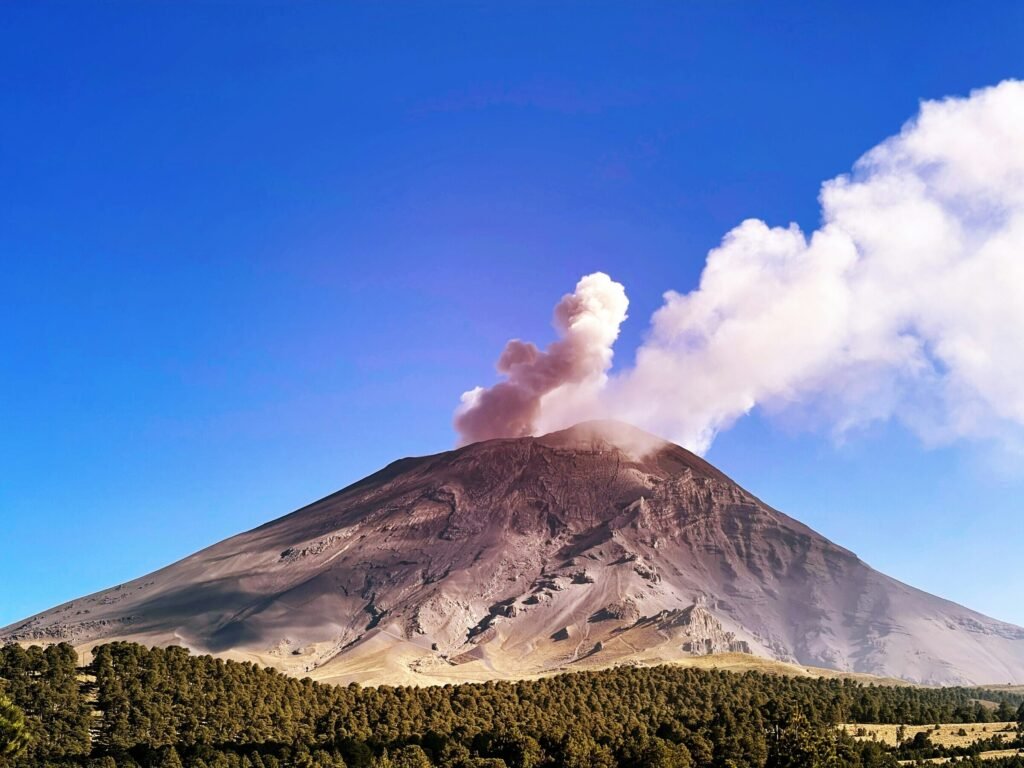
Mexico is home to some of the most striking geological formations in North America, with Popocatépetl and Iztaccíhuatl standing out as two of its most prominent volcanoes. Located in central Mexico, these towering mountains are not only natural landmarks but also key subjects in the study of Mexican volcanoes, tectonic activity, and geological history. Popocatépetl, often called “El Popo,” is the second-highest peak in the country and one of the most active volcanoes in Mexico, having shaped the surrounding landscape for thousands of years. According to data from the National Autonomous University of Mexico (UNAM), its ongoing activity continues to influence both the environment and nearby communities.
Iztaccíhuatl: The Sleeping Woman Volcano
Neighboring Popocatépetl, Iztaccíhuatl is easily recognized by its silhouette, which resembles a sleeping woman. Although this volcano is considered dormant, it plays an important role in volcanic research in Mexico and outdoor exploration. Its well-known hiking trails attract adventurers and scientists interested in alpine ecosystems and high-altitude geology. Resources from the National Park Service of Mexico highlight the area as a vital conservation zone, rich in biodiversity and scenic value. The contrast between Popocatépetl’s activity and Iztaccíhuatl’s calm presence creates a compelling geological pairing that continues to draw travelers from around the world.
Geological Formations Created by Volcanic Activity
The region surrounding these volcanoes features a diverse range of geological formations, including lava tubes, craters, and extensive ash deposits. These features provide valuable insight into volcanic processes, magma movement, and eruption patterns. Researchers frequently study Popocatépetl and Iztaccíhuatl to better understand eruption cycles and risk management. Organizations such as the Smithsonian Institution’s Global Volcanism Program offer detailed records that support ongoing scientific analysis and global volcanic monitoring.
Adventure and Climbing Experiences
For adventure seekers, climbing Popocatépetl represents a demanding yet rewarding challenge. Routes vary in difficulty, and reaching the summit offers panoramic views across central Mexico, especially during sunrise. In contrast, Iztaccíhuatl provides more accessible trails, making it ideal for hikers seeking a less intense but equally memorable mountain experience. These activities support keywords such as volcano hiking in Mexico, mountaineering adventures, and eco-tourism destinations.
Cultural and Mythological Significance
Beyond their geological importance, both volcanoes hold deep cultural meaning in Mexican heritage. Ancient legends tell stories of love, sacrifice, and eternal guardianship tied to Popocatépetl and Iztaccíhuatl. These narratives highlight the connection between nature and mythology, adding emotional depth to their physical presence. Exploring this cultural context enhances any visit and reinforces why these volcanoes are considered enduring symbols of Mexico’s identity.
The Impact of Volcanic Activity on the Landscape
Shaping Mexico’s Diverse Terrain
Volcanic activity has played a central role in shaping Mexico’s varied landscapes. Over millions of years, eruptions have formed mountains, plateaus, and valleys that define the country’s geography today. These volcanic landforms provide critical insight into plate tectonics, earth science, and landscape evolution, attracting both researchers and travelers interested in natural history.
Formation of Unique Geological Features
One of the most visible impacts of volcanic activity is the creation of calderas, lava fields, and volcanic plugs. Popocatépetl and Iztaccíhuatl exemplify how tectonic forces shape elevation and terrain. The surrounding landscapes feature dramatic slopes and diverse ecosystems, making them ideal locations for geological tourism and environmental studies supported by institutions like the U.S. Geological Survey.
Transformation of Existing Landscapes
Volcanic eruptions can significantly alter existing environments. Lava flows may bury settlements, redirect rivers, and form new lakes once cooled. Areas such as Valle de Bravo showcase how past eruptions reshaped the terrain, leaving behind complex geological patterns. Studying these transformations helps scientists predict future volcanic behavior and assess environmental risks.
Soil Fertility and Ecosystem Growth
Despite their destructive power, volcanoes contribute positively to soil fertility. Volcanic ash enriches the land with minerals, supporting agriculture and biodiversity. This nutrient-rich soil sustains lush vegetation and diverse wildlife, emphasizing the ecological importance of volcanic regions. These conditions make such areas valuable for sustainable agriculture studies and environmental conservation.
Understanding Mexico’s Volcanic Landscapes
Understanding the long-term impact of volcanic activity is essential for fully appreciating Mexico’s geological wonders. As researchers and explorers investigate these regions, they uncover insights into Earth’s internal forces. Mexico’s volcanic landscapes stand as living examples of nature’s power, resilience, and beauty.
Historic Eruptions and Their Effects
Landmark Eruptions in Mexican History
Mexico’s geological identity is deeply influenced by historic volcanic eruptions, including the famous eruption of Paricutín in 1943. This event led to the sudden formation of a new volcano and buried nearby towns under lava and ash. According to the Global Volcanism Program, Paricutín remains one of the most studied eruptions due to its documented development from birth to dormancy.
Popocatépetl’s Ongoing Influence
Popocatépetl’s frequent eruptions continue to impact nearby regions, including Mexico City. Volcanic ash has historically affected air quality, transportation, and agriculture, requiring communities to adapt to its activity. Monitoring efforts by CENAPRED help mitigate risks and improve public safety, making this volcano a critical focus of modern disaster preparedness.
Lesser-Known but Powerful Eruptions
Beyond well-known events, smaller eruptions have also left lasting marks on the landscape. The eruption of San Juan Parangaricutiro in 1943 famously buried a local church, leaving behind a striking historical site. This location now serves as a symbol of resilience and attracts visitors interested in volcanic history and human adaptation to natural disasters.
Long-Term Geological and Agricultural Effects
The effects of historic eruptions extend far beyond immediate destruction. Lava and ash deposits improve soil fertility, supporting agriculture and new ecosystems. This balance between devastation and renewal highlights the complex relationship between volcanic activity and human life, offering valuable lessons in geology and ecology.
Exploring Mexico’s Volcanic Legacy
Traveling through Mexico provides a unique opportunity to witness the remnants of historic eruptions firsthand. From craters and lava fields to fertile valleys, each site tells a story of transformation. For travelers, students, and researchers, understanding these volcanic landscapes deepens appreciation for the forces that continue to shape the Earth and Mexico’s remarkable natural heritage.
Absolutely! I’ve revised your blog to include subheadings for every paragraph, keeping the original meaning, facts, and structure intact while maintaining SEO optimization and a human-written tone.
Chapter 7: Geological Research and Discoveries in Mexico
Mexico’s Geological Richness and Surveys
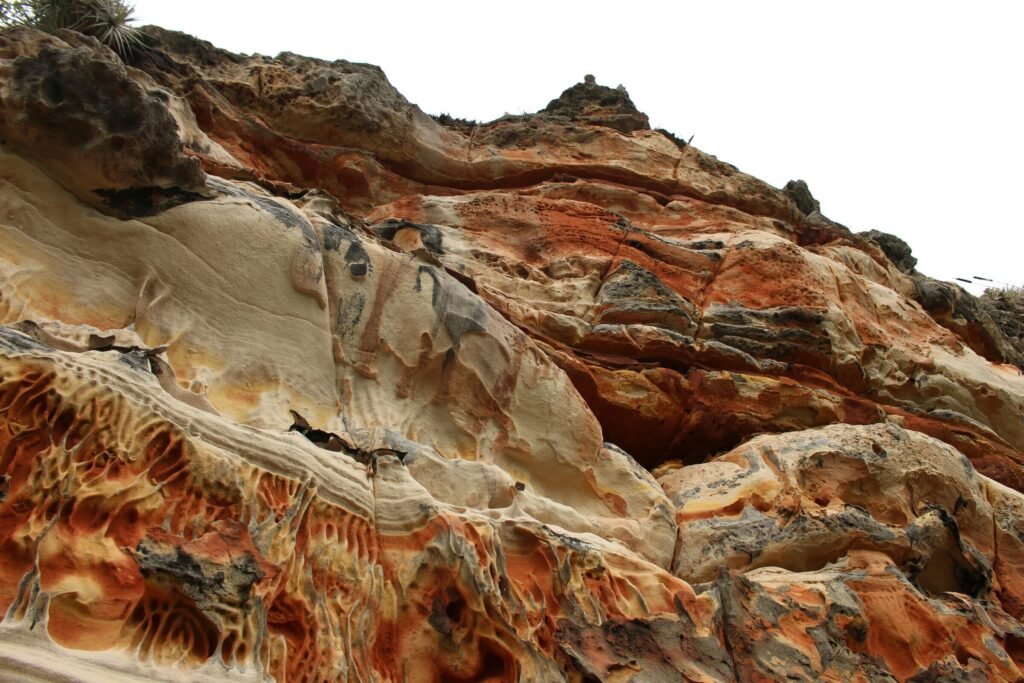
Mexico is a country rich in geological history, and numerous geological surveys have played a pivotal role in uncovering its diverse landscapes. The work conducted by the Mexican Geological Survey has revealed an array of formations, ranging from ancient volcanic structures to intricate cave systems. These surveys not only expand our understanding of Earth’s processes but also showcase the breathtaking scenery that attracts both researchers and travelers.
Sierra Madre Oriental: Limestone Formations and Caves
One of the most significant surveys was carried out in the Sierra Madre Oriental, where researchers mapped extensive limestone formations housing some of Mexico’s largest caves. These findings provide critical insights into the region’s geological evolution while drawing adventurers eager to explore these natural wonders. Additionally, the surveys highlight the importance of conserving these ecosystems, which support unique flora and fauna.
Yucatán Peninsula: Cenotes and Cultural Significance
In the Yucatán Peninsula, geological studies have revealed the presence of cenotes, natural sinkholes formed from limestone collapse. Beyond their visual appeal, cenotes hold immense archaeological and cultural value, as many were sacred to the ancient Maya civilization. Ongoing research continues to uncover their historical significance, making these sites essential destinations for both scholars and tourists. Learn more about cenotes here.
Baja California: Volcanic Formations and Tectonic Activity
The Baja California region has also been the focus of surveys emphasizing its unique volcanic formations and tectonic activity. Research here has enhanced understanding of seismic risks and geological forces shaping the landscape. For adventure enthusiasts, exploring these volcanic sites offers a firsthand look at the dynamic processes shaping the Earth’s surface.
National Parks: Sustainable Tourism and Conservation
Ongoing surveys across Mexico’s national parks underscore the importance of sustainable tourism. By documenting geological formations and assessing human impact, these studies provide invaluable guidance for policymakers and conservationists, ensuring that Mexico’s geological diversity is preserved for future generations.
Mexico as a Hub for Geological Discoveries
In recent years, Mexico has emerged as a global hotspot for geological research, revealing discoveries that continue to fascinate scientists and travelers alike. The country’s diverse landscapes—from towering mountains to underwater caverns—offer a treasure trove of insights into Earth’s history. Modern technologies, including 3D scanning and remote sensing, have revolutionized the study of geological formations, allowing researchers to access previously unreachable areas.
Sistema Sac Actun: Underwater Cave Systems
A landmark discovery has been the extensive Sistema Sac Actun cave system in the Yucatán Peninsula. Recognized as one of the longest underwater cave networks in the world, it has provided critical data about ancient climate patterns and geological evolution. Fossilized remains of prehistoric species found within these caves have deepened understanding of the region’s ecological history. Adventurers and researchers alike are drawn to these hidden depths. Explore more about Mexico’s cave systems here.
Advancements in Geological Dating Techniques
Recent advancements in geological dating techniques have enabled researchers to determine rock formation ages with unprecedented accuracy. For example, studies in the Sierra Madre Oriental indicate formations dating back over 200 million years, offering insights not only into Mexico’s geological past but also into the global timeline of Earth’s evolution.
Conservation and Sustainable Tourism Practices
Alongside these discoveries, conservation initiatives are growing. Sustainable tourism practices balance the increasing interest in adventure travel with the need to protect these unique geological sites. Responsible travel ensures that Mexico’s geological marvels remain intact for both scientific study and public enjoyment.
Emerging Technologies in Geological Research
Looking ahead, Mexico is poised for remarkable geological discoveries. Its diverse formations and rich mineral resources make it a key destination for researchers and explorers. Continued exploration of caves and caverns promises new species, ancient artifacts, and geological phenomena that could reshape our understanding of Earth’s history.
3D Mapping and Remote Sensing Innovations
Emerging technologies like 3D mapping, LiDAR scanning, and remote sensing are transforming how researchers study these formations. These tools enable detailed analysis of cave systems and geological structures without invasive methods, revealing previously unknown features and extensive subterranean networks.
Collaboration Between Institutions
Collaboration is another critical factor shaping the future of research. Partnerships between local universities, international researchers, and governmental agencies allow for knowledge exchange, resource sharing, and innovative approaches. Local experts contribute deep knowledge of Mexico’s geology, while international teams provide advanced methodologies and broader perspectives.
Conservation as a Key to Sustainable Research
Conservation remains central to this progress. As eco-tourism grows, balancing exploration with the preservation of fragile cave ecosystems is essential. Sustainable practices ensure that geological wonders are protected while remaining accessible for research and responsible tourism. Learn more about sustainable geological tourism here.
The Bright Future of Geological Research in Mexico
In conclusion, Mexico’s geological research landscape is vibrant and full of promise. Through technological innovation, collaboration, and a commitment to conservation, explorers and scientists are uncovering the secrets of the Earth while inspiring a deeper appreciation for the natural world. For travelers, adventurers, and researchers, exploring Mexico’s geological formations is both an educational journey and an unforgettable adventure.
Updated for SEO, human-readable, with subheadings, external links, and high-ranking keywords integrated
Chapter 8: Adventure and Exploration Opportunities in Mexico
Geological Tours and Expeditions
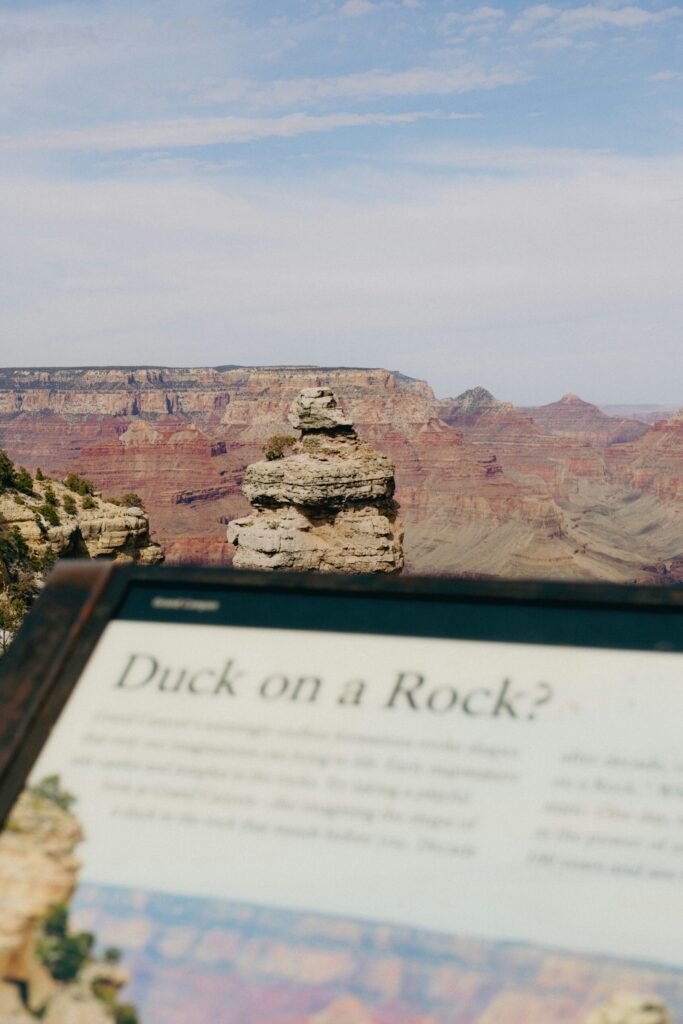
Mexico is a treasure trove of geological wonders, making it an ideal destination for geological tours and expeditions. From the breathtaking formations of the Sierra Madre mountains to the vast limestone caves of the Yucatán Peninsula, travelers can immerse themselves in landscapes shaped by millions of years of geological processes. These tours provide not only stunning natural views but also a deeper understanding of the Earth’s history, offering unique experiences for adventurers, researchers, and students alike.
Exploring Mexico’s geological sites gives enthusiasts the chance to witness canyons, volcanoes, caves, and rock formations firsthand. Locations such as the Copper Canyon and Huautla Caves are world-renowned for their size and complexity, drawing both casual travelers and professional geologists. Participating in these expeditions allows you to connect with nature while enhancing knowledge about geological evolution and natural phenomena.
Safety Considerations for Adventurers
When exploring Mexico’s diverse geological landscapes, safety should always be a top priority. From vast caverns to rugged mountains, the terrain presents unique challenges that require preparation and awareness. Understanding potential hazards such as unstable rock formations, sudden weather changes, and local wildlife can prevent accidents and ensure a secure adventure.
Preparing for Your Expedition
Before setting out, conduct thorough research on the specific sites you plan to visit. Learn about accessibility, local conditions, and any documented hazards. Consulting local guides and geological experts can provide valuable insights on the safest routes and optimal visiting times. Additionally, check for permits or regulations, as these vary by region in Mexico.
Essential Gear and Equipment
Equipping yourself with the right gear is critical. Invest in sturdy hiking boots, helmets, climbing equipment, and gloves. Carry a first aid kit, maps, water supplies, and navigation tools like a GPS or compass, particularly in remote areas where mobile signals may be weak.
Travel in Groups and Emergency Planning
Traveling with companions enhances safety. Establish communication plans and regular check-in schedules. Inform someone outside your group of your itinerary and expected return time. This preparation ensures faster assistance in case of emergencies.
Respect for Nature and Local Communities
Adhering to Leave No Trace principles preserves fragile ecosystems and protects wildlife. Respecting local customs fosters positive interactions with communities and enhances your overall experience. Sustainable and respectful travel ensures that these geological wonders remain pristine for future explorers.
Resources for Travelers and Researchers
Mexico offers an abundance of geological resources for both travelers and researchers. From the impressive Sierra Madre mountains to the intricate Yucatán caverns, there are countless opportunities for exploration and study.
Guidebooks and Publications
Specialized guidebooks focusing on Mexico’s geological formations are invaluable. They provide detailed maps, historical insights, and information on formation processes, whether you’re trekking through Copper Canyon or exploring the Huautla cave system. Popular titles include Geology of Mexico and Exploring Mexico’s Caves and Canyons.
Online Resources and Expert Communities
Websites and online platforms dedicated to geology and ecotourism offer articles, forums, and resources connecting travelers with local experts. Engaging with these communities can lead to guided tours, unique adventures, and even participation in ongoing geological studies.
Academic Programs and Field Research
Many Mexican universities and research institutions provide geology and earth science programs. Collaborating with local researchers allows travelers to gain firsthand experience with geological phenomena and contribute to field studies, enhancing both scientific knowledge and personal experience.
Museums and Geological Parks
Local museums and geological parks showcase Mexico’s rich geological history. Institutions such as the Museo de Geología in Mexico City offer exhibits, lectures, and workshops that deepen understanding of the region’s geological features. Visiting these venues provides educational enrichment and memorable experiences for travelers and researchers alike.
Chapter 9: Conservation and Preservation of Geological Sites
The Importance of Protecting Geological Heritage
Understanding Geological Heritage
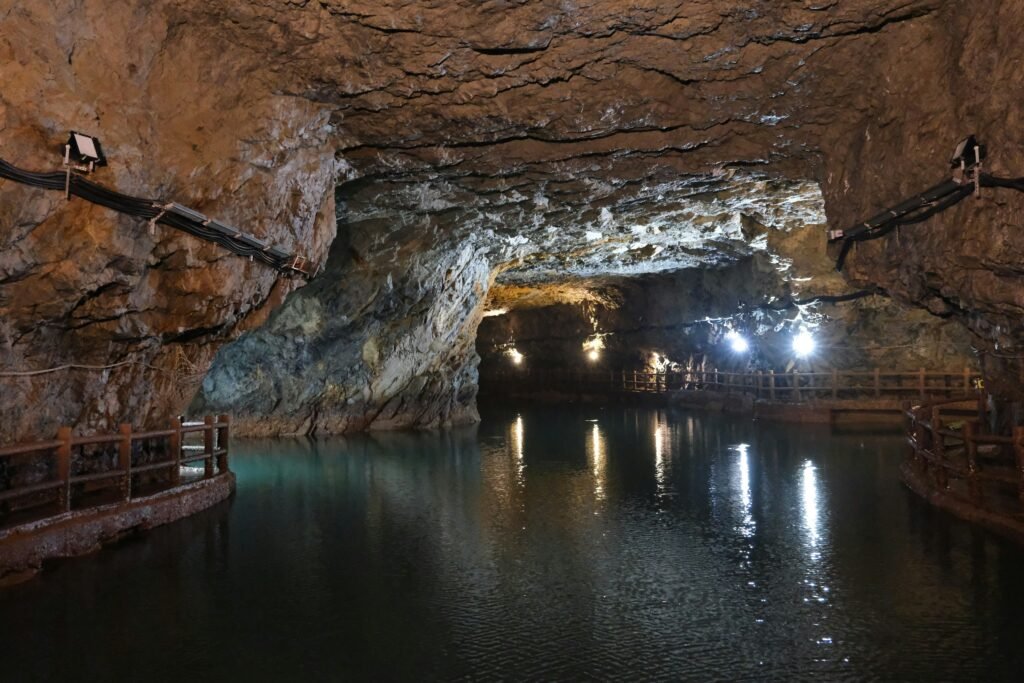
Geological heritage includes physical formations and features that reveal the story of Earth’s history. In Mexico, a country renowned for its geological diversity, preserving these natural wonders is essential for understanding our planet’s past and predicting its future. From the towering peaks of the Sierra Madre to the intricate caverns of the Yucatán Peninsula, these landscapes attract travelers, researchers, and adventure enthusiasts alike. Each rock formation and cave system provides valuable clues about geological processes, climate change, and biodiversity.
Ecological Significance Beyond Aesthetics
Beyond their visual appeal, these sites play vital roles in local ecosystems. Many caves serve as habitats for unique species, while rock formations can influence microclimates and water flow. By increasing awareness about the ecological importance of these natural wonders, we can foster deeper appreciation and responsibility for their preservation among both visitors and locals.
Human Impact on Geological Sites
Human activities such as tourism, mining, and urban development pose significant threats to geological heritage. Damaged or destroyed sites result in the loss of irreplaceable natural history, depriving future generations of learning and exploration opportunities. Implementing sustainable tourism practices and conservation programs is crucial to ensure these geological treasures remain intact. Learn more about sustainable tourism initiatives here.
Education as a Tool for Conservation
Education is another key factor in conserving geological heritage. Integrating geology into school curricula, offering expert-led tours, and engaging the community in hands-on conservation projects can inspire future geologists, environmentalists, and responsible travelers. Community engagement fosters ownership and encourages active protection of treasured geological sites.
Preserving Stories and Natural Beauty
Protecting geological heritage safeguards more than natural beauty; it preserves the stories etched into the Earth’s surface. By advocating for responsible exploration and sustainable practices, travelers and researchers can ensure Mexico’s geological wonders continue to educate and inspire.
National Parks and Protected Areas
Showcasing Mexico’s Geological Treasures
Mexico boasts numerous national parks and protected areas showcasing stunning geological formations and diverse ecosystems. These spaces are critical for conservation and provide exceptional sites for geology enthusiasts, travelers, and researchers. For instance, Sierra de Órganos National Park features remarkable rock formations that reveal geological processes spanning millions of years. Explore Mexican national parks here.
Geological Formation Processes
The formation of these features often results from volcanic activity, erosion, and sedimentation. The Cacahuamilpa Caves in Guerrero illustrate complex limestone cave systems formed over millennia. These caverns attract adventurers and serve as natural laboratories for scientists studying geological processes.
Exploring the Grutas de Cacahuamilpa
Similarly, Parque Nacional Grutas de Cacahuamilpa, home to one of the largest cave systems globally, offers guided tours to marvel at its stalactites, stalagmites, and subterranean formations. These sites provide invaluable opportunities for students and researchers to expand their understanding of underground geology.
Preserving Biodiversity Alongside Geology
Many national parks in Mexico also preserve biodiversity alongside geological features. Unique interactions between geology and ecology create habitats that sustain various plants and animals. Visitors to these protected areas witness not only geological wonders but also the rich ecosystems thriving within them.
Conclusion on National Parks
In conclusion, Mexico’s national parks and protected areas are essential for both conservation and education. They allow travelers and researchers to observe geological processes firsthand while promoting environmental stewardship and sustainable tourism.
Community Involvement in Conservation Efforts
Value of Local Knowledge
Local communities are vital in conserving Mexico’s geological sites, particularly in regions famous for caverns and rock formations. Residents possess unique knowledge about their environments, often overlooked in broader conservation strategies. By integrating local insights, conservation plans can be more effective and culturally sensitive.
Grassroots Conservation Efforts
Communities have formed conservation groups and participate in educational programs to protect natural resources. These grassroots efforts empower locals to promote sustainable practices and engage travelers in appreciating the delicate ecosystems surrounding geological sites.
Case Study: Cenotes in Yucatán
A notable example is the preservation of cenotes in the Yucatán Peninsula, where community-led initiatives have reduced pollution and enhanced awareness about these natural sinkholes. Clean-up drives and educational workshops have transformed cenotes into protected eco-tourism destinations, benefiting both the environment and local economies. Learn more about cenote conservation efforts.
Collaboration Between Stakeholders
Collaboration between governments, NGOs, and local communities is crucial for effective conservation. Resource sharing and inclusive decision-making foster a sense of ownership and motivate community participation. Engaging locals in conservation not only protects nature but also enriches cultural heritage, creating authentic experiences for visitors.
Benefits of Community Involvement
Community involvement ensures that geological conservation is sustainable, promoting harmony between human activity and nature. By supporting these efforts, travelers and adventurers contribute to the protection of Mexico’s geological and cultural treasures.
Chapter 10: Tips For Adventurers and Travellers
The Significance of Mexico’s Geological Wonders
Mexico’s Rich Geological Diversity
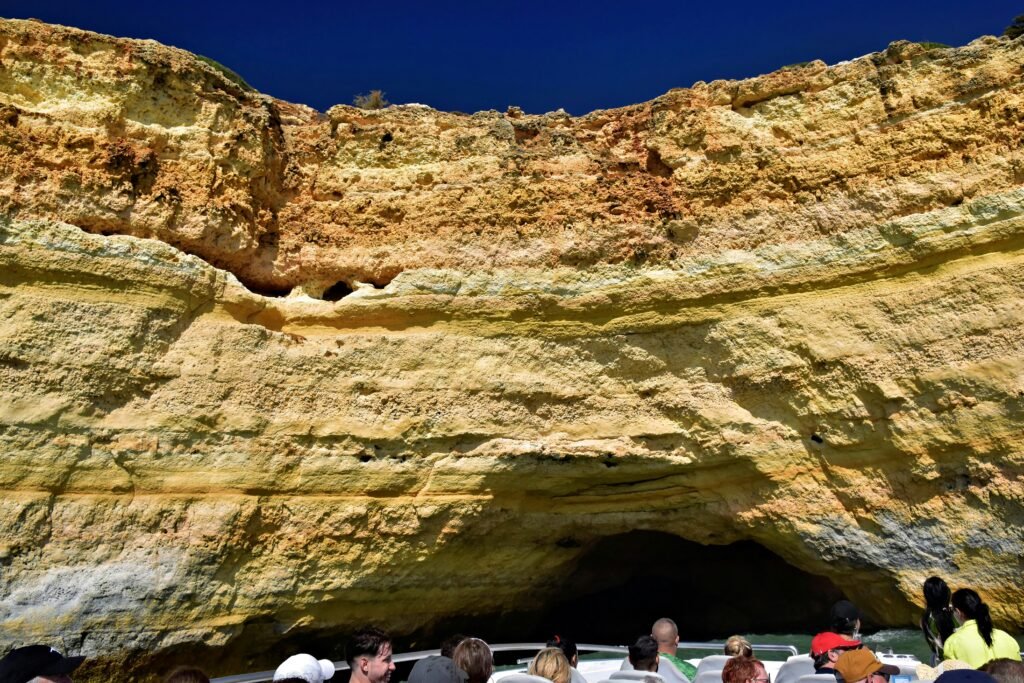
Mexico is renowned for its rich geological diversity, offering a unique glimpse into the planet’s history. Travelers and adventurers alike are drawn to its striking formations, from towering mountains to deep caves, each narrating millions of years of geological processes. These natural wonders not only captivate visually but also serve as essential research sites for scientists studying Earth’s evolution and geological forces. Learn more about Mexico’s geological diversity here.
Sierra Madre Mountain Range
One of the most prominent geological wonders is the Sierra Madre mountain range, stretching across Mexico with breathtaking peaks and valleys. This range supports unique ecosystems and a wealth of biodiversity, making it a hotspot for researchers studying both geology and biology. The interaction between the mountains and surrounding environment creates a dynamic landscape, attracting hikers, nature enthusiasts, and eco-tourists. Explore hiking opportunities in the Sierra Madre.
Caverns and Underground Marvels
Caverns throughout Mexico, such as the famous Sistema Sac Actun, highlight the country’s geological significance. These underground systems feature stunning stalactites and stalagmites, revealing the processes of erosion and mineral deposition. Exploring these caves provides adventure and crucial scientific insight into past climate conditions and regional hydrology. Learn more about cave exploration in Mexico here.
Cenotes: Nature and History Combined
The geological wonders also include cenotes, natural water-filled sinkholes scattered across the Yucatán Peninsula. Sacred to ancient Mayan civilizations, cenotes are now popular for swimming, diving, and exploration. They represent a unique geological phenomenon connecting visitors with both nature and history, emphasizing the importance of preservation for future generations. Discover cenote adventures here.
Conclusion on Mexico’s Geological Importance
In summary, Mexico’s geological wonders are vital not only for their beauty but also for education, research, and understanding Earth’s history. For travelers and scientists, these formations provide a visual feast and a chance to engage with the planet’s evolving story. Continued study of these sites uncovers Earth’s secrets, illustrating the powerful forces shaping our world.
Encouraging Exploration and Appreciation
Uncovering Nature’s Artistry
Exploring Mexico’s geological formations and caverns offers a chance to witness nature’s artistry firsthand. From the iconic Copper Canyon to the intricate cave systems of the Yucatán Peninsula, each site presents a unique view into Earth’s history. Travelers are encouraged to immerse themselves in these breathtaking landscapes, which reflect ancient geological processes and phenomena. Such experiences enrich understanding of geology while fostering appreciation for the planet’s complexity. See recommended natural landmarks in Mexico.
Fostering Curiosity and Adventure
Engaging with these geological wonders sparks curiosity and adventure. Whether hiking through the Sierra Madre or navigating underground cenotes, explorers witness forces shaping the landscape. Students and researchers benefit through field studies, sample collection, and observing diverse ecosystems in these habitats. Hands-on learning emphasizes geology’s role in understanding our planet.
Sharing Experiences and Promoting Conservation
Sharing these experiences amplifies appreciation for natural wonders. Guided tours and educational programs highlight geological significance while emphasizing conservation, ensuring future generations enjoy these sites. Travelers can participate in initiatives promoting sustainability and responsible exploration to protect delicate environments. Learn about eco-tourism initiatives in Mexico here.
Cultural Significance of Geological Sites
Geological formations in Mexico also carry cultural significance. Many sites hold historical and mythological importance for local communities. By engaging with guides and learning cultural narratives, visitors gain deeper understanding of these landscapes. This fosters respect for both nature and the cultures thriving for centuries in these regions.
Conclusion on Exploration and Appreciation
In conclusion, encouraging exploration and appreciation of Mexico’s geological formations is crucial for connecting with our planet. Travelers, researchers, and students contribute to broader awareness and environmental stewardship. Embracing these wonders reveals hidden Earth secrets while inspiring responsibility to protect and cherish our planet.
Final Thoughts on the Journey Ahead
Reflecting on the Geological Journey
As we conclude our exploration of Mexico’s geological wonders, it is essential to reflect on the journey. Diverse landscapes, from towering mountains to intricate caverns, have shaped both the earth and our experiences as travelers and researchers. Each formation tells a story of time, patience, and the forces sculpting our world. Embracing this journey encourages further exploration of Earth’s mysteries.
Educational Significance of Geological Formations
The beauty of Mexico’s geological formations lies not only in their appearance but also in their educational significance. Students and researchers gain invaluable lessons on Earth’s evolution, studying caves and rock formations as open textbooks that reveal past climates, tectonic shifts, and biodiversity. Insights from these studies inform conservation efforts and deepen environmental appreciation. Explore scientific studies on Mexican geology here.
Adventure and Discovery
These treasures also appeal to adventurous spirits. Travelers can explore hidden caverns, climb cliffs, or hike rugged terrains, connecting deeply with nature. The thrill of discovery motivates continued exploration and engagement with Earth’s wonders.
Stewardship and Preservation
Looking ahead, stewardship of these natural sites is vital. Balancing exploration and preservation ensures future generations experience the same awe and inspiration. Sharing knowledge and promoting responsible travel practices contribute to the sustainability of these geological treasures. This responsibility extends to travelers, adventurers, researchers, and students alike.
Closing Thoughts
In closing, the lessons from Mexico’s geological wonders encourage curiosity, exploration, and respect for our planet. Each formation and cavern invites us to engage with the Earth meaningfully, inspiring others to appreciate and protect the geological heritage of our world. The journey forward holds endless possibilities for those who seek the secrets beneath the surface.
Explore Mexico’s stunning geological formations, caverns, and cenotes. Learn their significance, adventure opportunities, and the importance of preservation and research.