

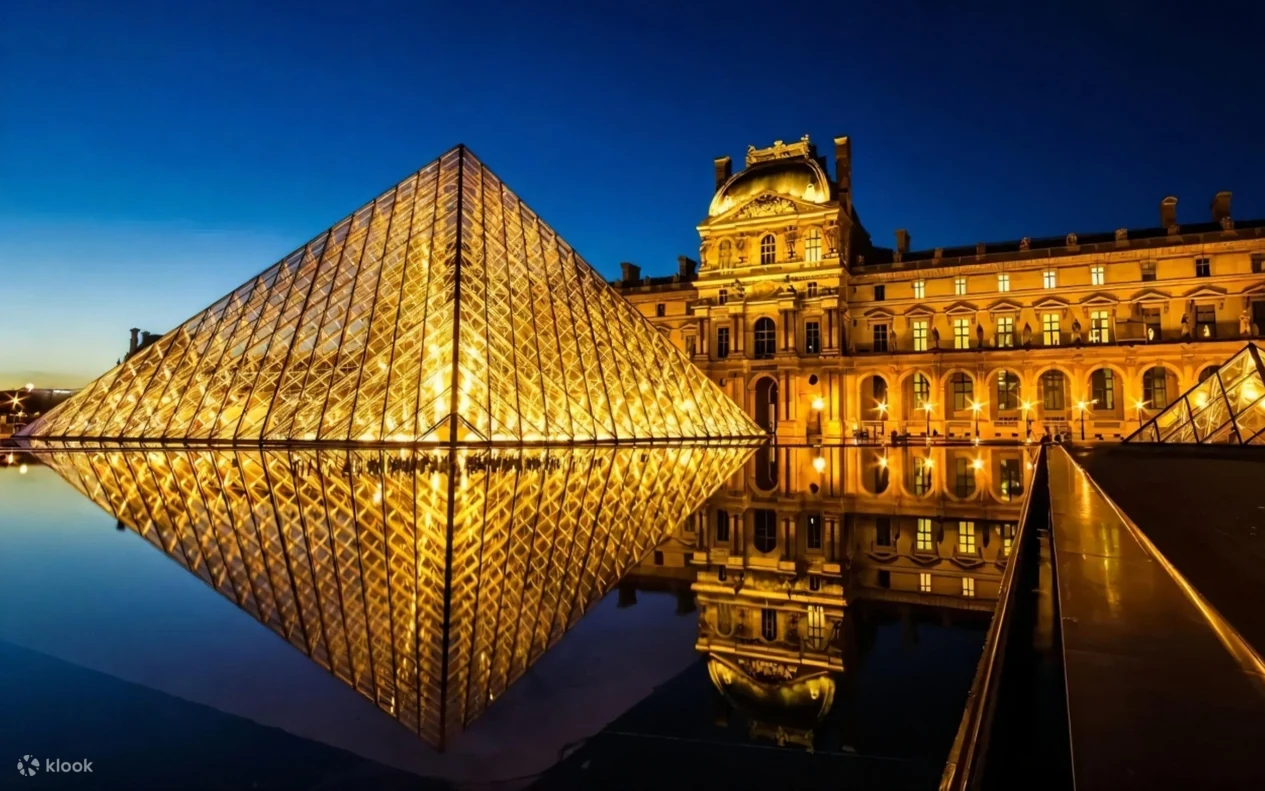
The Essence of French Cuisine (Journeys Through France)

French cuisine is widely regarded as one of the most influential and respected culinary traditions in the world. Rooted in history yet constantly evolving, it reflects France’s regional diversity, technical mastery, and deep cultural respect for food. Recognized by UNESCO as part of the Intangible Cultural Heritage of Humanity, French gastronomy is not just about what’s on the plate—it’s about technique, sourcing, ritual, and shared experience.
🔗 https://ich.unesco.org/en/RL/gastronomic-meal-of-the-french-00437
Culinary Traditions and Techniques
Regional Diversity at the Heart of French Cooking
French culinary traditions are shaped by geography, climate, and local agriculture. Each region contributes its own flavors, ingredients, and cooking styles, creating a mosaic of cuisines rather than a single uniform identity. From seafood-driven dishes along the Atlantic coast to olive oil–based cooking in the south and butter-rich recipes in the north, regional terroir dictates how food is prepared and enjoyed.
Travelers exploring France quickly discover that regional cuisine is deeply tied to local history and daily life. Meals often reflect centuries-old traditions, making each dish a cultural artifact as much as a culinary creation.
🔗 https://www.france.fr/en/gastronomy
🔗 https://www.britannica.com/topic/French-cuisine
Mastery of Classical French Cooking Techniques
One of the defining pillars of French cuisine is its emphasis on technical precision and culinary discipline. Foundational techniques such as confit, sous-vide, braising, emulsification, and sauce reduction have shaped professional kitchens worldwide. Codified in the 19th and early 20th centuries by chefs like Auguste Escoffier, these methods form the backbone of modern culinary education.
🔗 https://www.escoffier.edu/blog/culinary-arts/french-cooking-techniques
🔗 https://www.britannica.com/biography/Auguste-Escoffier
Aspiring chefs from around the world continue to train in France to master these techniques, reinforcing the country’s reputation as a global culinary authority.
Fresh, Local Ingredients and Market Culture
French cooking places exceptional value on fresh, seasonal, and locally sourced ingredients. Farmers’ markets—known as marchés—are central to daily life, offering regional produce, artisanal cheeses, cured meats, and freshly baked bread. This commitment to local sourcing preserves flavor integrity while supporting small producers and sustainable food systems.
For visitors, strolling through a French market is often a highlight, offering insight into how simplicity and quality form the foundation of exceptional cuisine.
🔗 https://www.tasteatlas.com/farmers-markets/france
🔗 https://www.agriculture.gouv.fr
Food Festivals and Culinary Celebrations
France celebrates its gastronomy through seasonal festivals and food-centered events. From wine harvest festivals in Bordeaux to truffle fairs in Provence and cheese festivals across rural regions, these gatherings provide immersive experiences rooted in tradition.
Visitors can take part in tastings, workshops, and guided tours that deepen their understanding of regional products and culinary craftsmanship. These festivals highlight how food functions as a living cultural tradition rather than a static concept.
🔗 https://www.bordeaux-tourism.co.uk
🔗 https://www.provenceguide.com
Dining as a Cultural Ritual
In France, dining is considered a social and cultural ritual. Meals are meant to be savored, shared, and discussed—often over multiple courses. This philosophy reinforces mindfulness around food and fosters meaningful social connections.
The French approach to dining emphasizes:
- Structured meal courses
- Balanced flavors and presentation
- Conversation and togetherness
This cultural attitude explains why French cuisine resonates so deeply with both locals and travelers, transforming meals into memorable experiences rather than quick transactions.
Beyond Croissants: Discovering Regional French Delicacies
France’s Regional Specialties Explained
While croissants and baguettes are global icons, they represent only a small fraction of French cuisine. Each region offers distinct specialties shaped by geography, climate, and cultural exchange. Exploring these regional dishes provides a deeper, more authentic understanding of French gastronomy.
Southern France: Mediterranean Flavors and Freshness
In southern regions such as Provence and the French Riviera, Mediterranean influences dominate. Dishes like ratatouille and bouillabaisse showcase fresh vegetables, olive oil, seafood, and aromatic herbs.
Markets in cities like Nice and Marseille overflow with tomatoes, zucchini, herbs, and fresh fish, reinforcing a cuisine built around seasonality and simplicity.
🔗 https://www.provenceguide.com/en/gastronomy
🔗 https://www.visitmarseille.com
Northern France: Comfort, Dairy, and Coastal Traditions
In contrast, northern regions such as Normandy and Brittany favor heartier fare. Cooler climates support dairy farming, resulting in dishes rich in butter, cream, and cheese. In Brittany, buckwheat galettes and seafood stews like cotriade highlight coastal abundance.
These dishes reflect agricultural traditions and a practical approach to nourishment, offering comfort and depth of flavor.
🔗 https://www.normandy-tourism.org
🔗 https://www.brittanytourism.com
The Loire Valley: Cheese, Wine, and Terroir
The Loire Valley is celebrated for its goat cheeses, freshwater fish dishes, and world-class wines. Its culinary identity is inseparable from its vineyards and fertile landscape. Wine tasting tours allow visitors to experience how terroir—soil, climate, and geography—influences both food and drink.
This region exemplifies the close relationship between French cuisine and viticulture.
🔗 https://www.loirevalley-france.co.uk
🔗 https://www.vinsvaldeloire.fr
Alsace: A Cross-Border Culinary Fusion
Located near the German border, Alsace offers a distinctive fusion of French and German influences. Iconic dishes such as choucroute garnie and tarte flambée (flammekueche) reflect this cultural blend, pairing fermented cabbage, cured meats, and crisp flatbreads with regional wines.
Seasonal festivals in Alsace celebrate this culinary identity, making food a central element of regional pride and tourism.
🔗 https://www.tourisme-alsace.com
🔗 https://www.winesofalsace.com
Why French Cuisine Continues to Influence the World
French cuisine endures because it combines technical excellence, regional authenticity, and cultural meaning. By venturing beyond familiar staples, travelers uncover a living culinary tradition shaped by history, land, and community.
Every regional dish tells a story—of climate, craftsmanship, and culture—making French cuisine not just something to taste, but something to understand. For anyone seeking depth, authenticity, and artistry in food, France remains an unparalleled culinary destination.
Hidden Gems in the French Countryside

Beyond France’s iconic cities lies a quieter, deeply rewarding side of the country—its countryside villages and local food traditions. These lesser-known destinations offer authenticity, slower rhythms, and a direct connection to French heritage, gastronomy, and daily life. For travelers seeking immersive cultural and culinary experiences, the French countryside reveals some of the nation’s most memorable hidden gems.
Charming Villages to Discover
Why France’s Villages Offer an Authentic Travel Experience
France is home to thousands of small villages, many preserved almost exactly as they were centuries ago. These villages provide an intimate look at traditional French architecture, regional cuisine, and community life, far removed from the crowds of Paris or the French Riviera. Cobblestone streets, weekly markets, and locally run cafés invite visitors to experience France at a human pace—one conversation, one meal, and one landscape at a time.
🔗 https://www.france.fr/en/discover-france/most-beautiful-villages-france
Riquewihr, Alsace: A Storybook Wine Village
Nestled along the Alsace Wine Route, Riquewihr is renowned for its half-timbered houses, medieval walls, and surrounding vineyards. This village is a standout destination for wine enthusiasts, offering tastings of renowned Alsatian wines such as Riesling and Gewürztraminer directly from local producers.
Visitors can wander through narrow streets lined with flower-filled balconies, stop at traditional winstubs, and explore a landscape that has inspired artists for generations.
🔗 https://www.tourisme-alsace.com
🔗 https://www.vinsalsace.com
Gordes, Provence: Hilltop Beauty and Provençal Flavor
Perched dramatically above the Luberon Valley, Gordes is one of Provence’s most iconic villages. Built almost entirely of local stone, its architecture blends seamlessly into the surrounding landscape. Gordes is known for its Provençal markets, where travelers can find fresh produce, herbs, olive oils, and artisanal cheeses.
The village also serves as a perfect base for exploring nearby lavender fields, vineyards, and historic abbeys, making it a favorite for photographers and food lovers alike.
🔗 https://www.provenceguide.com
🔗 https://www.luberoncoeurdeprovence.com
Étretat, Normandy: Coastal Drama and Artistic Inspiration
Located along the Normandy coast, Étretat is famous for its dramatic white cliffs and natural rock arches overlooking the English Channel. This seaside village has long attracted painters, including Claude Monet, drawn by its changing light and striking scenery.
Beyond its landscapes, Étretat offers excellent seafood sourced directly from local fishermen. Visitors can enjoy oysters, mussels, and freshly caught fish while strolling along the pebble beach or clifftop paths.
🔗 https://www.normandy-tourism.org
🔗 https://www.musee-orangerie.fr (Monet reference)
Saint-Cirq-Lapopie: Medieval Elegance Above the Lot River
Often listed among “Les Plus Beaux Villages de France”, Saint-Cirq-Lapopie sits high above the Lot River, offering sweeping views and remarkably preserved medieval architecture. Stone houses, artisan workshops, and intimate bistros create a timeless atmosphere that appeals to history lovers and creatives alike.
The village’s strong artistic tradition and focus on local gastronomy make it an essential stop for travelers exploring southwest France.
🔗 https://www.lot-tourisme.com
🔗 https://www.les-plus-beaux-villages-de-france.org
Local Markets and Artisan Producers
Why French Markets Are Central to Culinary Culture
Local markets are at the heart of French food culture. Whether in rural villages or city squares, open-air markets showcase seasonal produce, regional cheeses, fresh bread, and handcrafted specialties. These markets are more than shopping venues—they are social spaces where tradition, conversation, and craftsmanship converge.
🔗 https://www.tasteatlas.com/farmers-markets/france
Artisan Producers and Traditional Food Craft
France’s reputation for culinary excellence depends heavily on its artisan producers, many of whom continue to use time-honored methods. In Normandy, cheesemakers still produce Camembert following strict regional guidelines. In southern France, olive oil producers highlight terroir through cold-pressed oils with distinctive aromas and flavors.
These producers often prioritize sustainability, small-batch production, and protected designations such as AOP (Appellation d’Origine Protégée), ensuring authenticity and quality.
🔗 https://www.agriculture.gouv.fr
🔗 https://www.inao.gouv.fr
Seasonal Food Festivals and Market Celebrations
Many villages host seasonal festivals tied to agricultural cycles—truffle fairs, wine harvest celebrations, and cheese festivals are common across France. These events feature tastings, cooking demonstrations, and live music, offering visitors a festive and educational introduction to regional cuisine.
Participating in these celebrations allows travelers to experience food as a living tradition, deeply connected to place and season.
🔗 https://www.france.fr/en/events-calendar
🔗 https://www.visitfrenchwine.com
Culinary Discovery Through Local Encounters
Exploring markets often leads to unexpected discoveries—from family-run patisseries in Lyon to spice stalls in Marseille influenced by Mediterranean and North African cuisine. Conversations with vendors and artisans frequently lead to recommendations for authentic, off-the-beaten-path eateries that rarely appear in guidebooks.
This human connection is what elevates culinary travel in France from sightseeing to storytelling.
🔗 https://en.lyon-france.com
🔗 https://www.marseille-tourisme.com
Food as a Connector of Culture and Community
Ultimately, local markets and artisan producers represent the soul of French cuisine. They connect past and present, farmer and chef, resident and visitor. Each market visit offers insight into regional identity, sustainability, and pride in craftsmanship.
For travelers seeking to understand France beyond monuments and museums, these experiences provide lasting memories—and a deeper appreciation for the cultural power of food.
French Art and Artists Through the Ages

French art has shaped global culture for centuries, influencing not only painting and sculpture but also literature, architecture, lifestyle—and even gastronomy. From rural landscapes to urban cafés, France’s artistic movements are inseparable from the places, people, and everyday rituals that inspired them. Understanding this connection offers travelers and culture lovers a richer way to experience France beyond museums alone.
The Influence of Impressionism on French Culture
Impressionism and the Celebration of Everyday Life
Impressionism, which emerged in France in the late 19th century, transformed the art world by focusing on light, movement, and ordinary moments rather than rigid realism. Artists such as Claude Monet, Pierre-Auguste Renoir, Edgar Degas, and Camille Pissarro sought to capture fleeting impressions of daily life—cafés, gardens, markets, rivers, and meals shared outdoors.
🔗 https://www.metmuseum.org/toah/hd/imml/hd_imml.htm
🔗 https://www.britannica.com/art/Impressionism-art
This philosophy closely mirrors the French cultural approach to food and living: valuing freshness, seasonality, and the joy found in simple, well-crafted experiences.
From Canvas to Cuisine: A Shared Philosophy
Just as Impressionist painters worked quickly to capture natural light and atmosphere, French chefs emphasize seasonal ingredients, regional sourcing, and subtle flavor balance. Both disciplines value immediacy and authenticity over excess. A dish, like an Impressionist painting, is meant to reflect a specific moment in time and place.
This shared mindset explains why France’s culinary culture feels deeply artistic—meals are not only nourishing but expressive, sensory, and intentional.
🔗 https://ich.unesco.org/en/RL/gastronomic-meal-of-the-french-00437
Countryside Inspiration and Farm-to-Table Traditions
The influence of Impressionism is particularly visible in the French countryside, where landscapes once painted by artists now inspire modern farm-to-table cuisine. Local markets overflowing with fruits, vegetables, and flowers echo the vivid palettes seen in Impressionist works.
Many rural restaurants and chefs draw inspiration from their surroundings, crafting dishes that highlight color, texture, and natural presentation—turning food into a form of edible art.
🔗 https://www.france.fr/en/culture/impressionism-france
🔗 https://www.tasteatlas.com/farmers-markets/france
Culinary Festivals Inspired by Art and Place
Across regions such as Normandy and Provence, food festivals often celebrate local heritage through art-inspired menus. Plates are designed to reflect the landscapes and colors that once captivated painters, blending visual storytelling with regional flavors.
These events allow visitors to experience how art, food, and place intersect in French culture—engaging both the eyes and the palate.
🔗 https://www.france.fr/en/events-calendar
Impressionism’s Legacy in Modern French Gastronomy
Today’s French chefs continue to embrace the spirit of Impressionism through creative plating, thoughtful use of color, and innovative interpretations of classic dishes. While techniques evolve, the underlying philosophy remains the same: respect for ingredients, nature, and the sensory experience.
Dining in France remains an immersive cultural encounter, shaped by centuries of artistic influence and continual reinvention.
Notable French Artists and Their Regions
How Geography Shaped French Artistic Identity
France’s diverse geography has played a crucial role in shaping its artistic legacy. From sunlit vineyards to rugged coastlines and bustling urban quarters, artists have long drawn inspiration from their surroundings. Exploring these regions offers valuable insight into how place influenced artistic style, subject matter, and creative innovation.
🔗 https://www.france.fr/en/culture
Provence: Light, Color, and Creative Intensity
The south of France, particularly Provence, became a creative haven for artists captivated by its intense light and vivid landscapes. Vincent van Gogh and Paul Cézanne are among the most influential figures associated with the region.
Van Gogh’s time in Arles produced some of his most iconic works, including Sunflowers and The Starry Night, while Cézanne’s paintings of Mont Sainte-Victoire laid the groundwork for modern art movements.
🔗 https://www.vangoghmuseum.nl
🔗 https://www.cezanne-en-provence.com
Normandy: Nature Through Monet’s Eyes
Normandy holds a central place in the history of Impressionism, largely due to Claude Monet. His garden in Giverny served as both sanctuary and subject, inspiring his famous Water Lilies series.
Visitors today can explore Monet’s house and gardens, gaining firsthand insight into how light, reflection, and natural harmony shaped his work.
🔗 https://www.fondation-monet.com
🔗 https://www.normandy-tourism.org
Paris and Montmartre: The Birthplace of Modern Art
In Paris, the district of Montmartre became a melting pot of creativity during the late 19th and early 20th centuries. Artists such as Pablo Picasso, Henri Matisse, and Amedeo Modigliani lived and worked here, redefining artistic expression through Cubism, Fauvism, and modern abstraction.
The cafés, studios, and streets of Montmartre remain a testament to Paris’s enduring role as a global art capital.
🔗 https://www.musee-orsay.fr
🔗 https://www.parisinfo.com
Art, Food, and Daily Life: A Cultural Dialogue
French artists were deeply influenced by everyday life—including food, markets, and shared meals. Still-life paintings of fruit, bread, wine, and communal tables reflect the importance of gastronomy in French culture.
This dialogue between art and cuisine reinforces a broader truth: in France, creativity is woven into daily life. Exploring artists through their regions allows travelers to experience this connection holistically—through museums, landscapes, and the meals enjoyed along the way.
Why French Art Still Shapes Cultural Travel Today
French art history is not confined to galleries—it lives on in landscapes, villages, markets, and dining tables across the country. By tracing the paths of influential artists and understanding their regional inspirations, travelers gain a deeper appreciation of France as a place where art, culture, and everyday life remain inseparably connected.
This enduring legacy is what continues to make France one of the world’s most culturally rich and creatively inspiring destinations.
Chapter 4: Historical Sites Off the Beaten Path

France’s historical identity extends far beyond its most famous landmarks. While sites like Versailles attract global attention, the country is also home to remarkable castles, châteaux, and monuments that remain quietly spectacular. These lesser-known sites offer deeper immersion, fewer crowds, and a more personal connection to French history—ideal for travelers seeking authenticity, cultural depth, and discovery.
Castles and Châteaux Beyond the Norm
Why Lesser-Known French Castles Are Worth Exploring
France has more than 40,000 castles and châteaux, many of which remain underexplored by mainstream tourism. These historic estates reveal regional architecture, political history, and noble life across centuries. Visiting them allows travelers to experience France’s past in a more intimate and atmospheric way.
🔗 https://www.france.fr/en/culture/chateaux-france
🔗 https://www.britannica.com/topic/chateau-architecture
Château de Chenonceau: The “Ladies’ Castle”
Gracefully spanning the River Cher in the Loire Valley, Château de Chenonceau stands out for its elegance and unique history shaped by influential women, including Diane de Poitiers and Catherine de Medici. Its Renaissance architecture, refined interiors, and formal gardens offer a rare glimpse into aristocratic life guided by female leadership—an uncommon narrative in European history.
Seasonal gardens, tapestries, and art collections enhance the visitor experience, making Chenonceau one of the most culturally rich châteaux in France.
🔗 https://www.chenonceau.com
🔗 https://whc.unesco.org/en/list/933 (Loire Valley)
Château de Bonaguil: A Fortress Frozen in Time
Located in Lot-et-Garonne, Château de Bonaguil is one of France’s most impressive medieval fortresses. Built for defense rather than luxury, it features thick stone walls, towers, and fortified passages that illustrate late medieval military architecture.
Visitors can explore winding corridors and battlements while enjoying sweeping countryside views—making it a compelling destination for history enthusiasts and adventure travelers alike.
🔗 https://www.chateau-bonaguil.com
🔗 https://www.tourisme-lotetgaronne.fr
Château d’Azay-le-Rideau: Renaissance Elegance in the Loire Valley
Often described as a fairy-tale château, Château d’Azay-le-Rideau reflects perfectly on the waters of the Indre River. Built during the French Renaissance, its harmonious proportions and ornate façades showcase the era’s artistic refinement.
Located in a region famous for vineyards and gastronomy, Azay-le-Rideau pairs architectural beauty with exceptional wine culture, enhancing its appeal for cultural travelers.
🔗 https://www.azay-le-rideau.fr
🔗 https://www.vinsvaldeloire.fr
Château de Fougères: Brittany’s Medieval Stronghold
One of the largest fortified castles in Europe, Château de Fougères dominates the landscape of eastern Brittany. Its massive ramparts and strategic positioning reflect centuries of military conflict along France’s historic borders.
Today, visitors can walk the battlements, explore defensive towers, and learn about medieval warfare while enjoying views of the surrounding gardens and town.
🔗 https://www.chateau-fougeres.com
🔗 https://www.brittanytourism.com
Lesser-Known Monuments and Their Stories
Why Hidden Monuments Reveal Deeper History
France’s quieter monuments often preserve stories that are more reflective, spiritual, and personal than their famous counterparts. These sites reward travelers with insight into medieval faith, political power, and regional identity—without the crowds.
🔗 https://whc.unesco.org
Abbey of Saint-Savin: Medieval Art Preserved
Tucked away in the Vienne department, the Abbey of Saint-Savin-sur-Gartempe is a UNESCO World Heritage Site celebrated for its 11th-century Romanesque frescoes. These paintings, depicting biblical narratives, are among the best-preserved medieval murals in Europe.
The abbey’s peaceful setting enhances its contemplative atmosphere, making it ideal for travelers seeking cultural depth and tranquility.
🔗 https://whc.unesco.org/en/list/230
🔗 https://www.tourisme-vienne.com
Palais des Papes, Avignon: Power and Faith Intertwined
In the heart of Provence, the Palais des Papes stands as a symbol of papal authority during the 14th century, when Avignon served as the seat of Western Christianity. This vast Gothic palace includes chapels, courtyards, and grand halls that reveal centuries of political and religious influence.
Exploring the palace provides insight into medieval power structures and European religious history.
🔗 https://palais-des-papes.com
🔗 https://www.britannica.com/place/Avignon
Mont-Saint-Michel: Legend, Architecture, and Tides
Rising dramatically from the sea, Mont-Saint-Michel is one of France’s most evocative historic sites. Crowned by a medieval abbey, this island commune has inspired artists, writers, and pilgrims for centuries.
Visitors can navigate its narrow streets, climb to the abbey, and experience the dramatic tidal changes that shape its mystique.
🔗 https://whc.unesco.org/en/list/80
🔗 https://www.ot-montsaintmichel.com
Château du Haut-Koenigsbourg: Alsace’s Strategic Fortress
Overlooking the Alsatian plains, Château du Haut-Koenigsbourg is a striking medieval castle restored in the 19th century. Its elevated position once made it a critical stronghold, and today it offers panoramic views and immersive exhibits on regional history.
The castle reflects both medieval function and romantic-era restoration ideals.
🔗 https://www.haut-koenigsbourg.fr
🔗 https://www.tourisme-alsace.com
Basilica of Vézelay: A Spiritual Landmark
In the Burgundy village of Vézelay, the Basilica of Saint Mary Magdalene stands as a Romanesque masterpiece and major pilgrimage site. Associated with the Crusades and medieval spirituality, the basilica’s architecture and symbolism invite reflection and contemplation.
Despite its historical importance, Vézelay remains peaceful and uncrowded—perfect for thoughtful exploration.
🔗 https://whc.unesco.org/en/list/84
🔗 https://www.bourgogne-tourisme.com
Why Exploring France’s Hidden History Matters
France’s lesser-known historical sites offer context, authenticity, and emotional resonance that go beyond postcard landmarks. By venturing off the beaten path, travelers gain a richer understanding of the country’s layered past—from medieval faith and feudal power to Renaissance artistry and regional identity.
For those seeking meaningful travel experiences, these hidden castles and monuments transform history from something observed into something truly felt.
Chapter 5: French Fashion and Design Influence

French style extends far beyond Paris. From regional fashion capitals to culinary artistry, France’s influence on global fashion, design, and aesthetics is deeply rooted in local culture, craftsmanship, and creativity. This chapter explores how diverse cities, artistic movements, and even gastronomy shape France’s enduring design legacy.
Fashion Capitals Beyond Paris
Lyon, Marseille, and Nice: Regional Style Leaders
While Paris dominates the global fashion conversation, cities like Lyon, Marseille, and Nice play a critical role in shaping French fashion identity. Lyon, historically known for its silk production, remains a hub for textile innovation, where designers blend centuries-old weaving techniques with contemporary design.
🔗 https://whc.unesco.org/en/list/872 (Lyon)
🔗 https://www.britannica.com/place/Lyon-France
Marseille brings a contrasting energy, driven by Mediterranean influences and vibrant street culture. Its fashion scene merges high fashion with utilitarian, casual wear, reflecting the city’s multicultural roots and youthful creative community.
🔗 https://www.marseille-tourisme.com
🔗 https://www.vogue.fr/fashion
Countryside Style: Saint-Tropez and Aix-en-Provence
Beyond urban centers, the French countryside plays a vital role in influencing fashion aesthetics. Towns like Saint-Tropez and Aix-en-Provence are synonymous with effortless elegance and bohemian style. Fashion festivals, artisan markets, and seasonal events celebrate handcrafted textiles and accessories, reinforcing France’s reputation for craftsmanship.
🔗 https://www.sainttropeztourisme.com
🔗 https://www.aixenprovencetourism.com
Designers often draw inspiration from these regions, translating relaxed silhouettes, natural fabrics, and earthy palettes into globally admired collections.
Art Cities as Fashion Incubators: Lille and Bordeaux
French fashion is inseparable from its artistic heritage. Cities such as Lille and Bordeaux host thriving art scenes that inspire designers through galleries, museums, and street art. This interaction between visual art and fashion fuels innovation, encouraging designers to challenge conventions and experiment with form, texture, and storytelling.
🔗 https://www.bordeaux-tourism.co.uk
🔗 https://www.lilletourism.com
The result is fashion that feels intellectually grounded, expressive, and culturally reflective.
Fashion Festivals and Creative Collaboration
France’s fashion narrative is further enriched by international festivals and cultural events. The Festival International de Mode et de Photographie in Hyères is a prime example, spotlighting emerging designers, photographers, and artists from around the world.
🔗 https://www.villanoailles.com
🔗 https://www.businessoffashion.com
These events foster collaboration across creative disciplines, reinforcing France’s position as a global incubator for talent beyond Paris.
Nature and Function: Fashion Inspired by the French Alps
Outdoor regions like the French Alps influence fashion through a blend of performance and style. Alpine-inspired clothing prioritizes durability and comfort while maintaining refined aesthetics—appealing to travelers, athletes, and urban consumers alike.
🔗 https://www.france.fr/en/alpes
🔗 https://www.outsideonline.com
This balance of functionality and elegance has become a defining trend in modern French fashion.
The Role of Design in Culinary Presentation
Culinary Design as Cultural Expression
In France, culinary presentation is a design discipline in its own right. Plating is approached with artistic intent, where colors, shapes, and textures are carefully composed to enhance flavor and emotion. This philosophy reflects France’s broader commitment to aesthetics and cultural storytelling.
🔗 https://www.unesco.org/en/articles/gastronomic-meal-french
🔗 https://www.britannica.com/topic/French-cuisine
Visual Storytelling on the Plate
Classic dishes such as Coq au Vin and Ratatouille are presented with garnishes and arrangements that honor regional ingredients and traditions. The visual design of these dishes reinforces their heritage, transforming meals into multi-sensory experiences.
🔗 https://www.tasteatlas.com/french-cuisine
🔗 https://guide.michelin.com
Balance, Harmony, and French Design Philosophy
Just as French architecture values symmetry and proportion, so does culinary design. A well-balanced plate guides the diner visually and emotionally, enhancing anticipation and enjoyment. This harmony is central to the French dining experience.
🔗 https://www.cordonbleu.edu
🔗 https://www.finedininglovers.com
Design Beyond Fine Dining
Design principles extend into modern French food culture, including bistros, cafés, and food trucks. Even casual dining emphasizes thoughtful presentation, proving that French culinary artistry is accessible and evolving.
🔗 https://www.france.fr/en/gastronomy
🔗 https://www.eater.com
Food as a Cultural Narrative
Ultimately, the intersection of design, fashion, and cuisine forms a uniquely French cultural language. From bustling city markets to countryside kitchens, every dish reflects creativity, heritage, and intention—reminding visitors that in France, food is never just food.
🔗 https://www.france.fr/en/culture
🔗 https://whc.unesco.org
Key Takeaway
French fashion and design thrive far beyond Paris. Whether expressed through regional style, artistic collaboration, or culinary presentation, France’s influence lies in its ability to merge tradition with innovation, making every city, plate, and garment part of a larger cultural story.
Unique Festivals and Cultural Events in France

France’s festivals are living expressions of its culinary excellence, regional pride, and cultural diversity. From nationwide gastronomic celebrations to deeply rooted regional traditions, these events offer travelers authentic, immersive experiences that go far beyond sightseeing.
Culinary Festivals Worth Attending
Celebrating French Gastronomy and Local Craft
Culinary festivals in France are more than food events—they are cultural celebrations that highlight regional identity, tradition, and innovation. These festivals bring together chefs, artisans, winemakers, and farmers, allowing visitors to taste local specialties while learning about their origins and preparation methods.
🔗 https://www.france.fr/en/gastronomy
🔗 https://www.unesco.org/en/articles/gastronomic-meal-french
Fête de la Gastronomie: A Nationwide Food Celebration
The Fête de la Gastronomie, held every September, is one of France’s most important culinary events. Restaurants, markets, and culinary schools across the country host tastings, workshops, and demonstrations to celebrate French food culture.
🔗 https://www.economie.gouv.fr/fete-gastronomie
🔗 https://www.britannica.com/topic/French-cuisine
This festival reinforces gastronomy’s role in French identity while offering visitors hands-on culinary experiences.
Provence Lavender Festival: Flavor Meets Fragrance
In July, Provence hosts the Lavender Festival, a sensory celebration of one of the region’s most iconic plants. Lavender is infused into desserts, drinks, and even savory dishes, offering a unique culinary twist.
🔗 https://www.provenceguide.com
🔗 https://www.visitprovence.com
Set against rolling purple fields, this festival blends food, nature, and art—making it a favorite for photographers and food lovers alike.
Fête de la Mer in Sète: Seafood and Maritime Heritage
The Fête de la Mer in Sète, celebrated in August, honors the Mediterranean’s bounty and the town’s seafaring traditions. Visitors enjoy fresh seafood, cooking workshops, and nautical events, all accompanied by music and festivities.
🔗 https://www.tourisme-sete.com
🔗 https://www.france.fr/en/occitanie
This festival highlights the deep connection between French coastal cuisine and maritime culture.
Alsace Wine Route Festival: A Journey Through Vineyards
Held in early September, the Alsace Wine Route Festival invites visitors to explore one of France’s most picturesque wine regions. Wine tastings, vineyard tours, and traditional Alsatian dishes define this celebration.
🔗 https://www.wineroute.alsace
🔗 https://www.britannica.com/place/Alsace
The colorful half-timbered villages along the route add charm, making it a must-visit event for wine enthusiasts.
Regional Celebrations and Their Significance
Regional Festivals as Cultural Identity
France’s regional festivals reflect the country’s diverse cultural fabric, with each region celebrating its traditions through music, food, and rituals. These events provide travelers with an authentic understanding of local life.
🔗 https://www.france.fr/en/culture
🔗 https://whc.unesco.org
Fête de la Musique: Music for Everyone
Held every June 21st, the Fête de la Musique transforms streets, parks, and squares into open-air concert venues. Musicians of all genres perform freely, celebrating creativity and community.
🔗 https://www.culture.gouv.fr
🔗 https://www.timeout.com/paris
This festival showcases France’s commitment to accessible culture and artistic expression.
Festival Interceltique de Lorient: Celtic Heritage in Brittany
In Brittany, the Festival Interceltique de Lorient celebrates the shared Celtic heritage of regions such as Ireland, Scotland, and Wales. Traditional music, dance, parades, and cuisine draw visitors from around the world.
🔗 https://www.festival-interceltique.bzh
🔗 https://www.brittanytourism.com
It stands as a powerful example of cultural exchange and historical continuity.
Food-Centered Regional Celebrations
Many regional festivals revolve around food, reinforcing France’s reputation for culinary excellence. Events like the Fête de la Gastronomie spotlight local ingredients, seasonal produce, and traditional cooking methods.
🔗 https://www.tasteatlas.com/france
🔗 https://guide.michelin.com
These celebrations preserve culinary heritage while supporting local producers and chefs.
Why Regional Festivals Matter to Travelers
Each festival offers a window into community spirit, tradition, and daily life. Whether dancing during a music festival or sharing regional dishes at a food celebration, travelers gain deeper cultural insight.
🔗 https://www.lonelyplanet.com/france
🔗 https://www.france.fr/en
Key Takeaway
France’s festivals are not just events—they are cultural gateways. By attending culinary and regional celebrations, travelers experience the country’s soul through food, music, and shared traditions, creating memories that extend far beyond the typical tourist journey.
Outdoor Adventures in the French Alps

The French Alps are one of Europe’s premier outdoor destinations, offering year-round adventure, dramatic landscapes, and deeply rooted mountain culture. From scenic summer hikes to world-class winter sports paired with comforting alpine cuisine, this region delivers unforgettable experiences for nature lovers and adventure seekers alike.
Hiking Trails for Every Skill Level
A Country Built for Walkers and Trekkers
France boasts one of the most extensive and well-maintained hiking networks in Europe, with over 180,000 kilometers of marked trails. The French Alps, in particular, stand out for their diversity—welcoming beginners, intermediate hikers, and elite mountaineers alike.
🔗 https://www.france.fr/en/alps
🔗 https://www.ffrandonnee.fr
Beginner-Friendly Trails: Scenic and Accessible
For novice hikers and casual walkers, gentle alpine foothills and valley routes offer an ideal introduction. Well-signposted paths around alpine lakes and meadows provide stunning views without steep elevation gains. These trails emphasize slow travel, nature immersion, and accessibility, making them perfect for families and first-time visitors.
🔗 https://www.lonelyplanet.com/france/french-alps
🔗 https://www.alltrails.com/france
Intermediate Routes: Nature Meets Culture
Hikers with moderate experience will find rewarding routes that balance physical challenge with cultural discovery. Trails through alpine villages, mountain pastures, and historic hamlets allow walkers to experience the living heritage of the Alps. These hikes often pass traditional farms and refuges, offering panoramic viewpoints and authentic encounters with local life.
🔗 https://www.savoie-mont-blanc.com
🔗 https://www.mountainexplore.com
Advanced Alpine Treks: Iconic High-Mountain Adventures
For experienced hikers, the French Alps deliver legendary long-distance treks. Routes such as the Tour du Mont Blanc challenge endurance while rewarding trekkers with some of Europe’s most dramatic scenery—glaciers, high passes, and rugged peaks. These trails demand preparation, fitness, and respect for alpine conditions.
🔗 https://www.autourdumontblanc.com
🔗 https://www.chamonix.com
Hiking and Gastronomy: A Unique Alpine Experience
One of the Alps’ greatest pleasures is combining outdoor adventure with regional cuisine. Many trails lead directly to mountain villages where hikers can enjoy local cheeses, fresh bread, pastries, and traditional dishes. This blend of physical activity and culinary reward reflects the alpine philosophy of balance and enjoyment.
🔗 https://www.tasteatlas.com/french-alps
🔗 https://guide.michelin.com
Winter Sports and Alpine Cuisine
World-Class Winter Sports in the French Alps
When winter arrives, the French Alps transform into a global hub for skiing, snowboarding, and mountaineering. Resorts such as Chamonix, Courchevel, Val d’Isère, and Méribel offer exceptional slopes, modern infrastructure, and breathtaking alpine views.
🔗 https://www.france-montagnes.com
🔗 https://www.skiresort.info
The combination of reliable snowfall, varied terrain, and après-ski culture makes the region one of the most sought-after winter destinations worldwide.
Traditional Alpine Cuisine: Comfort After the Cold
Alpine cuisine is shaped by climate, altitude, and tradition. After a day in the snow, hearty dishes provide warmth and nourishment. Signature specialties include:
- Fondue – melted cheese shared communally
- Raclette – melted cheese served with potatoes and cured meats
- Tartiflette – potatoes, reblochon cheese, cream, and bacon
These dishes reflect the region’s reliance on local dairy, potatoes, and charcuterie, emphasizing simplicity and richness.
🔗 https://www.britannica.com/topic/French-cuisine
🔗 https://www.fromagesdefrance.fr
Après-Ski Dining and Social Culture
Dining in the Alps is as much about connection as it is about food. Sharing a fondue in a mountain chalet or enjoying raclette in a bustling ski lodge is a deeply social experience. Meals are often paired with local white wines from Savoie, enhancing both flavor and tradition.
🔗 https://www.vins-savoie.com
🔗 https://www.france.fr/en/gastronomy
Modern Alpine Dining and Local Artisans
Beyond classic comfort food, the Alps also offer refined culinary experiences. Farmers’ markets showcase artisanal cheeses, cured meats, and seasonal produce, while many ski resorts feature Michelin-listed restaurants that reinterpret alpine cuisine with modern techniques.
🔗 https://guide.michelin.com
🔗 https://www.savoie-terroirs.com
A Perfect Balance of Adventure and Indulgence
As the sun sets behind snow-capped peaks, the Alps reveal their softer side—fireside desserts, rich hot chocolate, and relaxed evenings after exhilarating days outdoors. This harmony between high-energy adventure and culinary comfort defines the alpine lifestyle and leaves a lasting impression on visitors.
Key Takeaway
Outdoor adventures in the French Alps go far beyond physical activity. Whether hiking summer trails or skiing winter slopes, travelers experience a seamless blend of nature, culture, and cuisine. The result is a deeply rewarding journey that satisfies both the adventurous spirit and the desire for authentic, memorable experiences—hallmarks of France at its very best.
French Wine Regions and Their Unique Varieties

France’s wine culture is inseparable from its history, cuisine, and landscapes. From world-famous appellations to lesser-known rural vineyards, French wine regions offer far more than tastings—they provide a deep cultural experience shaped by terroir, tradition, and craftsmanship.
Exploring Bordeaux and Beyond
Bordeaux: A Global Benchmark for Fine Wine
Bordeaux is one of the most influential wine regions in the world, renowned for its Cabernet Sauvignon, Merlot, and Cabernet Franc blends. Governed by strict appellation rules, Bordeaux wines reflect centuries of expertise and terroir-driven production.
🔗 https://www.bordeauxwine.com
🔗 https://whc.unesco.org/en/list/1256
Beyond its vineyards, Bordeaux is a cultural destination in its own right. The city’s historic center—designated a UNESCO World Heritage Site—features elegant 18th-century architecture, riverside promenades, and landmarks such as the Place de la Bourse. Local food markets showcase regional specialties, including fresh oysters, artisanal cheeses, and crusty pain de campagne, reinforcing Bordeaux’s reputation as a gastronomic capital.
The Dordogne and Southwest France: Rustic Elegance
Just east of Bordeaux, the Dordogne Valley offers a more rustic but equally compelling experience. This region is celebrated for its rolling countryside, medieval villages, and cuisine centered on duck confit, foie gras, walnuts, and black truffles.
🔗 https://www.france.fr/en/dordogne
🔗 https://www.britannica.com/place/Dordogne-region-France
Wine production here may be less commercialized, but it remains deeply authentic. Small producers emphasize traditional methods, allowing travelers to experience French rural life while enjoying food-and-wine pairings rooted in centuries-old practices.
Art, Culture, and Wine: A Complete Experience
Bordeaux’s cultural appeal extends beyond gastronomy. Institutions such as La Cité du Vin explore wine through history, science, and global culture, making it one of the most authoritative wine museums in the world.
🔗 https://www.laciteduvin.com
Art lovers can also explore regional museums and galleries that showcase both classical and contemporary works, connecting wine culture with broader French artistic heritage.
Historic Châteaux and Overlooked Landmarks
The wine routes of Bordeaux and its surroundings are lined with historic châteaux, many still family-owned. Sites like the Citadel of Blaye, a UNESCO-listed Vauban fortress, offer insight into France’s military and trade history while providing panoramic views of the Gironde estuary.
🔗 https://whc.unesco.org/en/list/1283
These quieter destinations allow travelers to explore France’s past without crowds, reinforcing the depth and authenticity of the region.
Festivals, Nightlife, and Local Traditions
As evening falls, Bordeaux comes alive with wine festivals, harvest celebrations, and cultural events that honor local traditions. Seasonal gatherings connect visitors with winemakers, chefs, and artisans, turning wine tasting into a shared cultural experience rather than a transactional one.
Wine Pairings with French Cuisine
Why Wine and Food Are Inseparable in France
Wine is not an accessory in French cuisine—it is an essential component of the dining experience. Each region has developed classic wine-and-food pairings based on local ingredients and climate.
🔗 https://www.france.fr/en/gastronomy
🔗 https://www.britannica.com/topic/French-cuisine
Classic French Wine Pairings
Some of the most time-tested pairings include:
- Sauvignon Blanc (Loire Valley) with seafood and goat cheese
- Bordeaux reds with beef, lamb, and slow-cooked stews
- Burgundy Pinot Noir with poultry and mushrooms
- Chardonnay with creamy sauces and seafood
These combinations are rooted in balance—acidity, tannins, and texture working together to elevate both food and wine.
Exploring Terroir Through Wine Regions
Wine regions such as Burgundy, Champagne, Alsace, and the Rhône Valley showcase how soil, climate, and tradition influence flavor. Visiting vineyards and participating in tastings allows travelers to understand terroir not as a concept, but as a lived experience.
🔗 https://www.bourgogne-wines.com
🔗 https://www.champagne.fr
Creative and Modern Pairings
French cuisine also embraces innovation. Chefs increasingly experiment with unconventional pairings, such as:
- Duck à l’orange with aromatic whites
- Blue cheese with sweet dessert wines like Sauternes
- Spiced dishes paired with Alsace Gewürztraminer
This openness reflects the evolving nature of French gastronomy while respecting tradition.
Wine, Storytelling, and Cultural Connection
What truly distinguishes French wine culture is the narrative behind every bottle. Conversations with winemakers reveal generational knowledge, sustainable practices, and regional pride. Food-and-wine festivals deepen this connection, transforming tastings into educational and emotional experiences.
🔗 https://www.vins-france.com
Key Takeaway
French wine regions—especially Bordeaux and its surrounding countryside—offer far more than prestigious labels. They deliver a complete cultural journey, blending history, gastronomy, art, and human connection. Understanding wine pairings and regional traditions allows travelers to engage with France on a deeper level, where every glass tells a story shaped by land, people, and time.
Architectural Styles in French Cities

France’s architectural heritage is one of the most influential in the world. From soaring medieval cathedrals to opulent royal palaces and bold modern landmarks, French cities showcase centuries of artistic evolution. These architectural styles do more than define skylines—they shape cultural identity, urban life, and even the way people experience food, travel, and daily living.
Gothic, Baroque, and Modern Influences
Gothic Architecture: Light, Height, and Spiritual Power
Gothic architecture emerged in France between the 12th and 16th centuries and remains one of the country’s most defining contributions to world architecture. Characterized by pointed arches, ribbed vaults, stained glass windows, and flying buttresses, Gothic design aimed to draw the eye upward and flood interiors with light.
Landmarks such as Notre-Dame de Paris and Chartres Cathedral exemplify this style, combining technical innovation with deep religious symbolism. These structures were not only places of worship but also community centers, shaping urban development around them.
🔗 https://whc.unesco.org/en/list/600
🔗 https://www.britannica.com/art/Gothic-architecture
Baroque Architecture: Power, Grandeur, and Ornamentation
The 17th century marked a dramatic shift with the rise of Baroque architecture, a style closely tied to royal authority and political power. French Baroque emphasized symmetry, monumental scale, rich decoration, and theatrical design.
The Palace of Versailles stands as the ultimate Baroque expression, reflecting the absolute power of King Louis XIV. Its grand halls, ornate interiors, and expansive gardens set architectural standards across Europe.
🔗 https://en.chateauversailles.fr
🔗 https://www.britannica.com/art/Baroque-architecture
Baroque architecture in France represents a period when buildings were designed not just for function, but to impress, intimidate, and inspire awe.
Modern Architecture: Innovation and Functional Beauty
Modern architecture in France emerged in the early 20th century, challenging classical traditions in favor of functionality, minimalism, and new materials. Architects such as Le Corbusier reshaped global architectural thinking with ideas centered on efficiency, urban planning, and human-centered design.
In Paris, the Centre Pompidou exemplifies modernism by turning architecture inside out—exposing structural elements and redefining public space.
🔗 https://www.centrepompidou.fr
🔗 https://www.archdaily.com/tag/le-corbusier
Modern French architecture reflects adaptability and forward thinking, balancing heritage preservation with innovation.
Architecture as a Reflection of Cultural Evolution
Together, Gothic, Baroque, and Modern architecture tell the story of France’s social, political, and cultural transformation. Each style mirrors the values of its era—from faith and monarchy to industrial progress and urban living. Exploring French cities is, in essence, a walk through living history.
Notable Structures and Their Culinary Ties
Iconic Landmarks as Culinary Gateways
France’s most famous structures are inseparable from the culinary traditions that surround them. The Eiffel Tower, for example, is not only an engineering marvel but also a focal point for Parisian dining culture. Nearby cafés and bistros serve classic French dishes—escargots, steak frites, and crème brûlée—often made with seasonal, locally sourced ingredients.
🔗 https://www.toureiffel.paris
Architecture sets the scene, but cuisine completes the experience.
Historic Buildings and Traditional Dining
Across France, historic buildings often house restaurants that preserve regional recipes and cooking techniques. Dining inside a centuries-old structure—whether a Gothic hall or a Baroque mansion—adds depth and authenticity to the meal. The setting reinforces the cultural narrative behind the food, transforming dining into a multisensory experience.
Rural Architecture and Market Culture
In regions such as Provence, Normandy, and Alsace, traditional architecture shapes local food culture. Stone farmhouses, half-timbered homes, and village squares host open-air markets where farmers sell fresh produce, cheeses, bread, and wine.
🔗 https://www.france.fr/en/food-and-wine
These spaces encourage direct connections between producers and consumers, reinforcing France’s commitment to culinary authenticity and sustainability.
Festivals Linking Architecture and Gastronomy
Many French culinary festivals take place in historic settings—town squares, medieval courtyards, and palace gardens. Events like La Fête de la Gastronomie highlight how food, architecture, and community intersect.
🔗 https://www.economie.gouv.fr/fete-gastronomie
These celebrations demonstrate that French cuisine is deeply rooted in place, history, and shared experience.
Dining Where History Lives
From château dining rooms to modern restaurants nestled in historic districts, France offers countless examples of how architecture enhances gastronomy. The atmosphere created by these spaces elevates every meal, reminding visitors that French food culture is inseparable from its architectural heritage.
Key Takeaway
French architecture—from Gothic cathedrals and Baroque palaces to Modernist icons—does more than shape cityscapes. It defines cultural identity, influences lifestyle, and enriches culinary experiences. By exploring France through both its buildings and its food, travelers gain a deeper, more meaningful connection to the country’s history, creativity, and enduring global influence.
Chapter 10: Coastal Towns and Beaches in France

Seafood Delicacies by the Sea
A Rich Seafood Tradition Along France’s Coastline
The coastal regions of France are a treasure trove of seafood delicacies, each reflecting the unique flavors and traditions of their surroundings. From the bustling markets of Marseille to the tranquil shores of Brittany, the variety of seafood available is nothing short of astounding. Visitors can indulge in fresh oysters harvested from the famous Île de Ré or savor succulent sea bass grilled to perfection along the Côte d’Azur.
🔗 Learn more from the official tourism portal: https://www.france.fr
Honfleur and Normandy’s Maritime Flavors
In the picturesque town of Honfleur, nestled along the Seine estuary, seafood is celebrated in local eateries that showcase the freshest catches. The traditional dish of moules marinières—mussels cooked in white wine and herbs—perfectly represents the simplicity and elegance of French coastal cuisine. Pairing these dishes with a glass of Normandy cider deepens the experience.
🔗 Explore Normandy’s culinary heritage: https://en.normandie-tourisme.fr
Mediterranean Seafood Culture in Nice
As travelers venture south, they encounter the vibrant seafood markets of Nice, where Mediterranean flavors dominate. The iconic salade niçoise, featuring tuna, anchovies, and fresh vegetables, reflects the essence of seaside dining. Local fishermen selling their daily catch ensure unmatched freshness.
🔗 Official Nice tourism guide: https://www.explorenicecotedazur.com
Modern Interpretations of Coastal Cuisine
Along the French coast, modern chefs are redefining seafood cuisine by blending global influences with classic techniques. Dishes such as octopus carpaccio and sea urchin risotto showcase innovation while respecting tradition. This culinary evolution highlights why France remains a global gastronomic leader.
🔗 French gastronomy recognized by UNESCO: https://ich.unesco.org/en/RL/gastronomic-meal-of-the-french-00437
A Gastronomic Celebration of the French Seaside
Seafood by the sea is more than a meal—it is a celebration of regional identity. Whether enjoying freshly grilled fish or refined seafood platters, visitors experience the soul of France’s coastline through its cuisine.
🔗 Discover France’s coastal regions: https://www.france.fr/en/coastal-france
Beachside Markets and Culinary Experiences
Vibrant Coastal Markets Full of Local Flavor
Beachside markets along France’s coastline are cultural hubs filled with fresh seafood, artisan cheeses, and seasonal produce. These markets offer an authentic glimpse into everyday French life, blending food, tradition, and community.
🔗 Guide to French markets: https://www.france.fr/en/article/french-markets
Live Cooking and Traditional Street Food
Local chefs often prepare dishes on-site, allowing visitors to witness regional recipes in action—from savory crêpes to sweet pastries. These live demonstrations bring French culinary traditions to life.
🔗 French food culture insights: https://tastefrance.com
Interactive Tastings and Cooking Demonstrations
Many markets host tastings and cooking workshops that introduce visitors to local ingredients and techniques. These hands-on experiences transform casual visits into meaningful culinary journeys.
🔗 Culinary tourism in France: https://www.atout-france.fr
Discovering Regional Wines and Spirits
Coastal markets are ideal for discovering regional wines and spirits, often paired perfectly with seafood and cheese. Vendors frequently explain terroir, grape varieties, and pairing traditions.
🔗 Official French wine authority: https://www.vinsdefrance.com
Music, Culture, and a Festive Coastal Atmosphere
Live music and cultural performances often accompany these markets, creating a lively seaside ambiance. Food, culture, and entertainment merge into an unforgettable coastal experience.
🔗 French cultural events calendar: https://www.france.fr/en/events
Discover more: https://klook.tpx.lv/OLWks4T3


kpkuwpwsrlmvlhjsvzuoiykqthhwmp